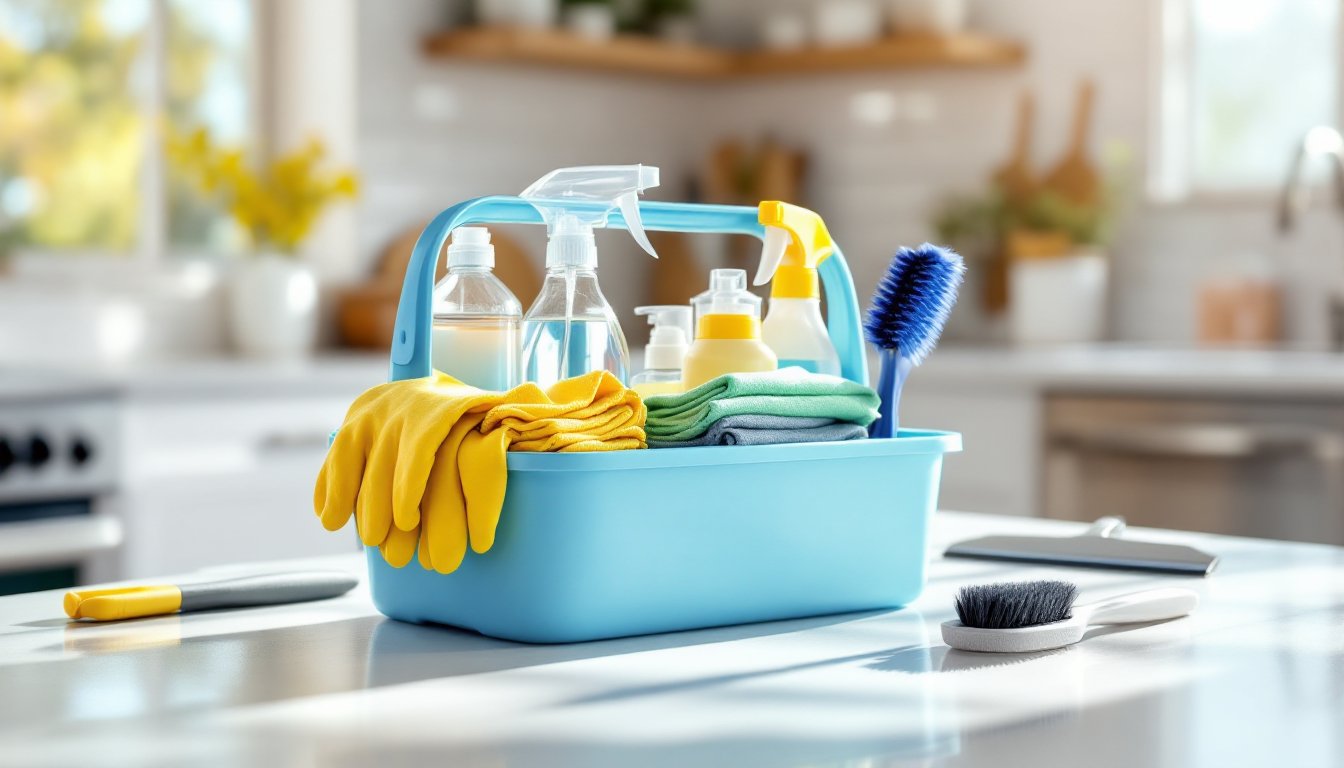
Assembling a house cleaning starter kit doesn’t require a trip to the commercial janitorial supply warehouse or a mortgage payment. What it does require is knowing which tools and products deliver actual results versus what’s marketed fluff. A well-stocked kit saves time, prevents last-minute runs to the store mid-project, and ensures you’re using the right tool for each surface. Whether someone’s moved into their first place or they’re finally ditching the single all-purpose spray bottle approach, the right starter arsenal makes routine maintenance manageable instead of overwhelming.
Table of Contents
ToggleKey Takeaways
- A well-stocked house cleaning starter kit prevents costly surface damage by matching the right cleaner to each material, avoiding mistakes like acidic products on natural stone or abrasive scrubbers on glass.
- Essential tools like microfiber cloths, scrub brushes, a quality vacuum, and a mop outperform improvised alternatives and reduce the time and physical effort required for routine cleaning tasks.
- Focus your budget strategically by investing in a reliable vacuum, durable microfiber cloths, and proper safety gear, while saving money on generic all-purpose cleaners and basic brushes.
- Centralized storage with a portable caddy system keeps your house cleaning starter kit organized and accessible, eliminating time-wasting searches and maintaining cleaning momentum.
- Using diluted concentrates, proper disinfectant contact time (3-10 minutes), and preventing chemical mixing prevents wasted product and ensures effective sanitization across your home.
Why Every Home Needs a Well-Stocked Cleaning Starter Kit
Having designated cleaning supplies on hand turns reactive scrambling into proactive maintenance. Without a proper kit, most people default to whatever’s under the sink, usually a crusty sponge and a bottle of something expired. That approach leads to poor results and wasted effort.
A starter kit addresses three practical needs: efficiency, safety, and surface-appropriate care. Using the wrong cleaner on the wrong surface can damage finishes, acidic cleaners on natural stone, abrasive scrubbers on glass cooktops, or bleach on unsealed grout. Having the right supplies prevents costly mistakes.
The kit also reduces the tendency to over-purchase. Walk into any big-box store’s cleaning aisle and you’ll face 47 variations of the same product. A curated starter kit cuts through the marketing and focuses on versatile, multi-use products that handle 90% of residential cleaning tasks. It’s not about having everything: it’s about having what works.
Essential Cleaning Tools for Your Starter Kit
Tools matter more than most people realize. The right tool makes a fifteen-minute job doable: the wrong one makes it miserable.
Core tools for any kit:
- Microfiber cloths (at least 12): These outperform cotton rags for dusting and wiping. They trap particles instead of pushing them around. Color-code them by room to avoid cross-contamination.
- Scrub brushes (stiff-bristle and soft-bristle): A stiff nylon brush handles grout and outdoor gear: a softer one works for upholstery and delicate fixtures.
- Vacuum with attachments: Upright or canister, doesn’t matter. What matters: a crevice tool, dusting brush, and upholstery nozzle. HEPA filtration is worth the extra cost if anyone in the house has allergies.
- Mop and bucket: Spin mops are convenient, but a traditional cotton mop and two-bucket system (one for cleaner, one for rinse water) prevents spreading dirty water across floors.
- Squeegee: Not just for windows. Use it on shower glass after each use to prevent hard water buildup.
- Grout brush or old toothbrush: Narrow bristles get into tile lines and around faucet bases.
- Extension pole: Pairs with dusters and mop heads to reach ceiling fans and high corners without a stepladder.
- Spray bottles (3-4 empty): For diluting concentrates and making DIY solutions.
- Rubber gloves: Nitrile if anyone has latex sensitivity. They protect hands from both chemicals and grime.
Safety note: Wear goggles when using any spray cleaner above shoulder height, and use gloves with any acidic or alkaline product.
Must-Have Cleaning Products and Solutions
Products should be chosen for versatility, not niche applications. A starter kit doesn’t need seventeen specialty sprays.
The core product lineup:
- All-purpose cleaner: A pH-neutral spray handles countertops, appliances, and most hard surfaces. Look for one that doesn’t leave streaks or require rinsing.
- Glass cleaner: Ammonia-free versions reduce fumes. A 50/50 mix of white vinegar and water in a spray bottle works just as well.
- Dish soap: Beyond dishes, a few drops in warm water makes an effective degreaser for stovetops, range hoods, and baseboards.
- Bathroom cleaner: Something mildly acidic to cut soap scum and hard water. Avoid mixing acidic cleaners with bleach, produces toxic fumes.
- Disinfectant: EPA-registered products list contact time on the label (usually 3-10 minutes). The surface must stay wet for that duration to actually disinfect. Most people spray and wipe immediately, which just moves germs around.
- Floor cleaner: Match the product to the flooring. Hardwood needs a pH-neutral, no-rinse formula. Tile and vinyl tolerate more alkaline cleaners.
- White vinegar: Dilute 1:1 with water for windows, mirrors, and general degreasing. Don’t use on natural stone or hardwood, it etches and dulls finishes.
- Baking soda: Mild abrasive for sinks, tubs, and stovetops. Mix with water to form a paste.
- Bleach (chlorine or oxygen): Chlorine bleach disinfects and whitens but damages colors and some surfaces. Oxygen bleach (sodium percarbonate) is gentler. Never mix chlorine bleach with ammonia, vinegar, or acidic cleaners.
Storage warning: Keep all cleaning products in their original containers with labels intact. Store in a cool, dry place away from direct sunlight. If there are children in the house, use a lockable cabinet.
Room-by-Room Cleaning Supplies Breakdown
Different rooms present different challenges. Tailoring the kit by zone improves efficiency.
Kitchen:
- Degreaser or dish soap for stovetop and backsplash
- Stainless steel cleaner (if applicable)
- Scrub brush for grout and tile
- Bar Keeper’s Friend or similar oxalic acid powder for stainless sinks
- Microfiber cloths for counters and appliances
Bathroom:
- Acidic cleaner for tubs, tile, and toilets
- Disinfectant for high-touch surfaces
- Grout brush
- Squeegee for shower doors
- Toilet brush with holder
Consider what tasks become easier with dedicated organization systems that keep supplies accessible without cluttering counters.
Living areas and bedrooms:
- Vacuum with upholstery attachment
- Microfiber dusting cloths or dusters
- All-purpose cleaner for baseboards and light switches
- Furniture polish (only if wood is sealed: unsealed or oil-finished wood needs different care)
Floors (all types):
- Appropriate cleaner for the surface
- Mop and bucket or microfiber flat mop
- Broom and dustpan or vacuum
Homes with pets need enzyme-based cleaners for accidents and a lint roller or rubber brush for upholstery.
Budget-Friendly vs. Premium: Building a Kit That Fits Your Needs
A functional starter kit doesn’t require premium everything, but a few strategic upgrades pay off.
Budget approach (under $75):
- Generic all-purpose cleaner, vinegar, baking soda, dish soap, and bleach cover most tasks.
- Cotton mop, basic scrub brushes, and store-brand microfiber cloths.
- Upright vacuum (entry-level models from established brands like Bissell or Hoover run $60-$100).
This setup works fine for routine maintenance in smaller homes or apartments. The tradeoff: products may require more elbow grease, and tools wear out faster.
Mid-range approach ($150-$250):
- Name-brand multi-surface cleaners with better surfactants that reduce scrubbing.
- Quality microfiber cloths (12-packs from brands like Zwipes or similar).
- Spin mop system or flat microfiber mop.
- Canister or upright vacuum with HEPA filter and attachments.
Many cleaning enthusiasts on Real Simple recommend investing in durable tools that reduce repetitive strain and speed up tasks.
Premium approach ($300+):
- Concentrates from commercial suppliers (dilute per instructions, one bottle lasts months).
- High-performance vacuum (Shark, Dyson, or Miele with specialized attachments).
- Steam cleaner for grout, tile, and sanitizing without chemicals.
- Ergonomic tools with telescoping handles and swivel heads.
Premium makes sense for larger homes, people with mobility issues, or anyone managing allergies. Better filtration and more effective products reduce cleaning frequency.
Where to prioritize spending:
- Vacuum: Used most often: a reliable one saves time and frustration.
- Microfiber cloths: Cheap ones shed fibers and lose effectiveness after a few washes.
- Gloves and safety gear: Protect yourself. Don’t cheap out on PPE.
Where to save: all-purpose cleaners, brushes, and spray bottles. Generic works fine here.
How to Organize and Store Your Cleaning Supplies
A kit is only useful if it’s accessible and organized. Hunting for supplies wastes time and kills momentum.
Centralized storage:
Designate one location as the main cleaning hub, a utility closet, basement shelf, or cabinet. Keep bulk products and backups here. Smaller caddies carry task-specific supplies to each room.
Portable caddy system:
Use a handled caddy or bucket to transport frequently used items. Stock it with all-purpose cleaner, microfiber cloths, scrub brush, and gloves. This eliminates trips back and forth.
Room-specific caches:
Store bathroom cleaner and toilet brush under the bathroom sink. Keep glass cleaner and a microfiber cloth in a kitchen drawer. This works well for multi-story homes where hauling everything upstairs is a hassle.
Labeling and safety:
- Label diluted solutions clearly: product name, dilution ratio, and date mixed.
- Store products below waist height to prevent spills when reaching.
- Keep incompatible chemicals separated (bleach away from acids and ammonia).
- If using a caddy, ensure it has drainage holes or a removable liner, spills happen.
Inventory rotation:
Check expiration dates every six months. Most cleaners have a shelf life of 1-2 years. Expired products lose effectiveness. For more guidance on keeping cleaning routines efficient, home improvement resources at The Spruce offer practical tips on supply rotation and storage hacks.
Ventilation:
Store in a well-ventilated area. Fumes from cleaners can build up in enclosed spaces, especially in warmer months.
Conclusion
A house cleaning starter kit isn’t about owning every product on the shelf. It’s about having the right tools and supplies to handle routine maintenance without improvising. Start with the essentials, add specialty items as specific needs arise, and prioritize quality where it matters, vacuum, microfiber, and safety gear. With a well-organized kit, cleaning shifts from a frustrating scramble to a manageable routine.