Looking for professional house cleaning without the sticker shock? Groupon house cleaning deals can cut costs by 30–70% compared to standard rates, but not all deals deliver what they promise. These flash discount platforms connect homeowners with local cleaning services at reduced prices, sometimes a steal, sometimes a headache. Understanding how Groupon’s cleaning marketplace works, what to watch for in the fine print, and when it makes sense to book can save both money and frustration. Here’s what to know before clicking “buy” on that too-good-to-be-true deep-clean offer.
Table of Contents
ToggleKey Takeaways
- Groupon house cleaning deals offer 30–70% savings compared to standard rates, but the steepest discounts often come with trade-offs like rushed work or less experienced crews.
- Check provider ratings, reviews, liability insurance, and website credibility before purchasing a Groupon cleaning voucher to avoid low-quality or potentially fraudulent services.
- Groupon house cleaning delivers the best value for one-time deep cleans, pre-party cleanups, or move-in refreshes rather than ongoing maintenance service.
- Be aware of hidden fees, non-refundable vouchers with short expiration windows, and common exclusions (windows, appliances, carpets) that may require costly add-ons.
- For regular cleaning needs or consistent results, direct relationships with local vetted cleaners or subscription platforms like Handy and Thumbtack often provide better long-term value than repeated Groupon purchases.
What Is Groupon House Cleaning and How Does It Work?
Groupon acts as a middleman between local cleaning companies and customers, offering time-limited vouchers at discounted rates. A typical deal might advertise a 3-hour deep clean for $79 instead of the usual $150–$200. Homeowners purchase the voucher online, then contact the cleaning service directly to schedule an appointment within the voucher’s expiration window, usually 90 days to six months.
The cleaning company agrees to the discount in exchange for exposure and new customer acquisition. Groupon takes a percentage (often 30–50%) of each sale, which means the service provider earns significantly less per job than their standard rate. This business model works when companies can upsell clients on recurring service or additional add-ons, turning one-time discount customers into long-term regulars.
Most Groupon cleaning deals specify square footage limits (e.g., “up to 1,500 sq. ft.”), number of rooms, or service type (standard clean vs. deep clean). The voucher acts as prepayment: the customer redeems it by booking directly with the provider, not through Groupon’s platform. If the home exceeds the voucher’s parameters, the company typically charges the difference at their standard rate.
The Real Cost Savings: Are Groupon Cleaning Deals Worth It?
The math looks appealing on paper. A standard three-bedroom, two-bath home might cost $120–$180 for a routine clean through a local service. Groupon deals for the same scope often run $60–$90, representing 40–50% savings. Deep cleans, move-out services, or first-time cleanings see even steeper discounts, sometimes hitting 60–70% off.
But there’s a catch: many Groupon cleaning services operate on razor-thin margins for voucher jobs. To compensate, some providers rush through appointments, send less experienced crews, or pressure customers to purchase add-ons (carpet cleaning, interior windows, appliances) at premium rates. The advertised three-hour clean might actually take 90 minutes, leaving baseboards untouched and corners skipped.
The value proposition improves if the goal is a one-time service, a pre-party cleanup, post-renovation dust removal, or move-in refresh. For ongoing maintenance, the discount usually applies only to the first visit. Subsequent cleanings revert to standard pricing, which may run higher than competitors who don’t factor in Groupon’s commission structure. Homeowners who need regular bi-weekly or monthly service often find better long-term value negotiating directly with a local cleaner and skipping the voucher markup.
How to Find and Evaluate Quality Cleaning Deals on Groupon
Start by filtering Groupon’s “Home Services” category by location and reading the deal description carefully. Look for specifics: square footage caps, room limits, included tasks (dusting, vacuuming, mopping, bathroom sanitizing), and exclusions (windows, inside appliances, carpets). Vague language like “general cleaning” without task breakdowns often signals a barebones service.
Check the provider’s Groupon rating and review count. A 4.5-star rating with 200+ reviews carries more weight than a 5.0 with only a dozen. Read recent reviews (within the past three months) to spot patterns, late arrivals, incomplete work, or hard upsells. Cross-reference the company on Good Housekeeping or third-party review platforms like Yelp or the Better Business Bureau. Established cleaners with a track record outside Groupon tend to deliver more consistent results.
Verify that the company carries liability insurance and workers’ compensation. This protects homeowners if something breaks or a cleaner gets injured on the property. Legitimate services list this information on their website or disclose it when contacted. If a provider dodges insurance questions, walk away, no discount is worth the liability risk.
Red Flags to Watch for Before Purchasing
Avoid deals that seem impossibly cheap, $40 for a whole-house deep clean often means a solo cleaner with a vacuum and a bottle of all-purpose spray. Watch for non-refundable vouchers with short expiration windows (30–60 days), which limit scheduling flexibility. Some providers list a package deal bought through Groupon but then claim they’re “fully booked” until after the voucher expires, forcing forfeiture.
Other warning signs include companies with no website, no published pricing, or only a cell phone number. Pressure tactics during the initial call, “We can only honor this if you book today”, suggest a sales-driven operation rather than a service-focused one. Steer clear of deals requiring hefty deposits beyond the Groupon voucher or those with dozens of fine-print exclusions that weren’t visible in the main offer.
What to Expect When Booking Your First Groupon Cleaning Service
After purchasing the voucher, contact the cleaning company within a few days to schedule. Reputable providers respond within 24–48 hours and offer flexible booking windows. Be prepared to answer questions about home size, layout, pet presence, and specific priorities (kitchen, bathrooms, floors). This pre-service call is where hidden fees surface, charges for supply provision, travel beyond a certain radius, or homes exceeding the voucher’s square footage.
Before the crew arrives, do a quick walkthrough and note any valuable or fragile items. Secure jewelry, prescription medications, and important documents. Clear clutter from countertops, floors, and furniture surfaces so cleaners can actually clean rather than organize. Many services specify that tidying isn’t included, if they have to move piles of laundry or stacks of mail, the clock runs without much getting cleaned.
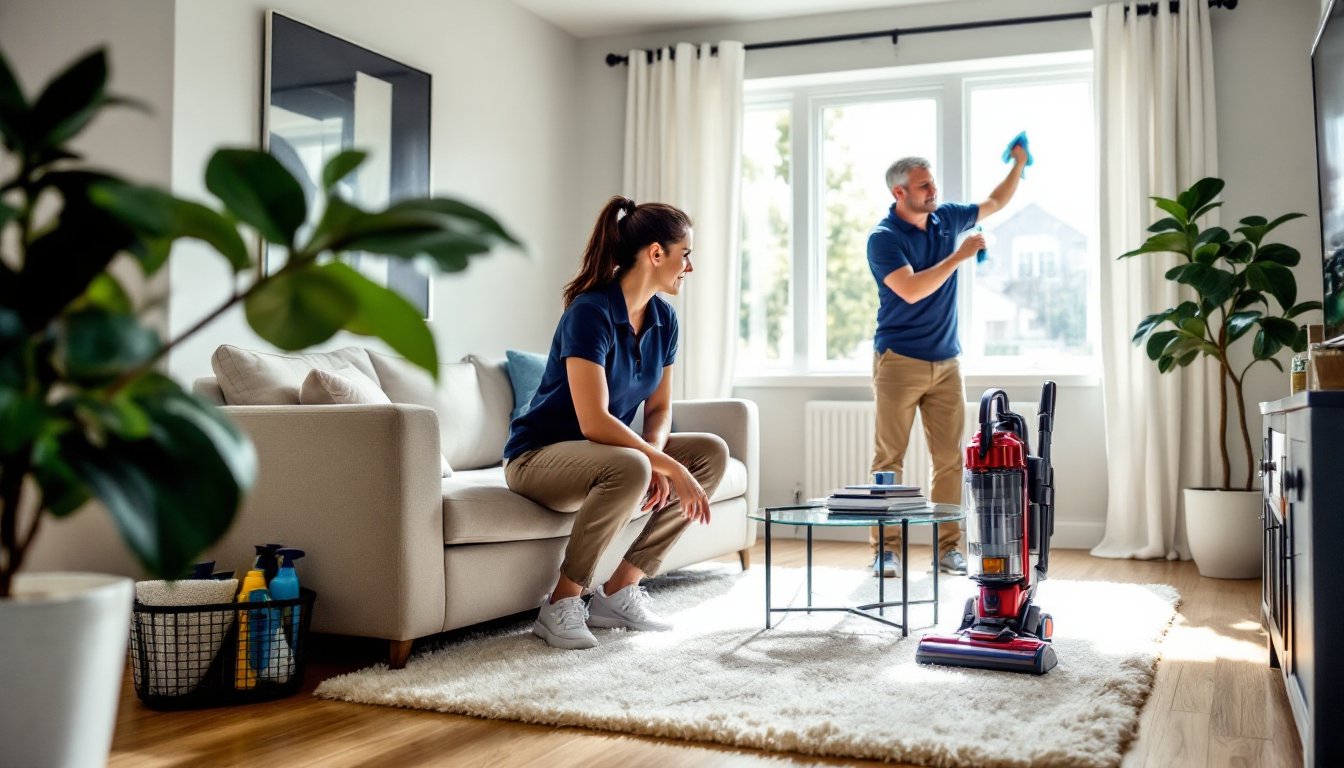
During the appointment, the team (often two people for a standard home) will follow a checklist: dusting surfaces, vacuuming or sweeping floors, mopping hard surfaces, scrubbing bathrooms, and wiping down the kitchen. Groupon cleanings typically don’t include inside the oven, refrigerator, or cabinets unless explicitly listed. Check the work before the crew leaves: it’s easier to address missed spots immediately than to call back later. Most companies allow a 24-hour correction window if something was overlooked.
Don’t expect the same crew each time if you convert to recurring service. Groupon-acquired customers often get rotating teams until they become regular clients. Tipping isn’t mandatory but is appreciated, $10–$20 per cleaner for satisfactory work is standard.
Pros and Cons of Using Groupon for House Cleaning
Pros:
- Significant upfront savings: 40–70% off standard rates makes professional cleaning accessible for budget-conscious homeowners.
- Low-risk trial: Test a new service without committing to a contract or multi-visit package.
- Variety of providers: Multiple companies often list deals in the same area, allowing comparison shopping.
- Flexible use cases: Works well for one-time events, parties, Airbnb turnovers, seasonal deep cleans.
Cons:
- Inconsistent quality: The pressure to upsell and thin margins can lead to rushed or incomplete work.
- Scheduling friction: Some providers make booking inconvenient or claim limited availability to run out the voucher clock.
- Limited scope: Many deals exclude common tasks like windows, appliances, or baseboards, requiring add-on purchases at premium rates.
- Short-term savings only: Discounts rarely extend beyond the first visit, and ongoing rates may exceed market averages.
- Customer service gaps: Issues with Groupon vouchers (refunds, expirations, disputes) often require navigating both the platform and the provider, creating finger-pointing delays.
For homeowners needing a single deep clean or trying out a service, Groupon can deliver solid value. For regular maintenance or those who prioritize consistency, direct relationships with vetted local cleaners usually win out.
Alternatives to Groupon for Affordable House Cleaning
Local independent cleaners often offer competitive introductory rates without the Groupon commission overhead. Ask neighbors, check community Facebook groups, or browse Nextdoor for recommendations. Many solo operators or small teams charge $25–$35 per hour and build loyalty through reliability rather than flash discounts. Paying directly also avoids voucher expiration headaches and allows flexible scheduling.
Subscription-based platforms like Handy, Thumbtack, or TaskRabbit connect customers with vetted cleaning professionals. These services provide upfront pricing, user reviews, and often guarantee satisfaction with rebooking or refunds. Monthly or bi-weekly plans sometimes include discounts of 10–15%, and the platform handles vetting, insurance verification, and payment processing.
For ongoing service, negotiate directly with a reputable local company. Many offer package pricing, book six cleanings upfront and save 10–20% per visit. Some provide discounts for referrals, off-peak scheduling (weekday mornings), or reduced-scope maintenance plans (bathrooms and kitchen only). Resources like The Spruce can help identify which cleaning tasks to prioritize if working within a tight budget.
DIY combined with occasional professional help is another cost-effective approach. Handle weekly maintenance (vacuuming, surface wiping, bathroom touch-ups) and hire a deep-cleaning service quarterly for baseboards, ceiling fans, light fixtures, and other neglected areas. This hybrid model keeps costs manageable while maintaining overall home cleanliness without relying on gimmicky discounts.