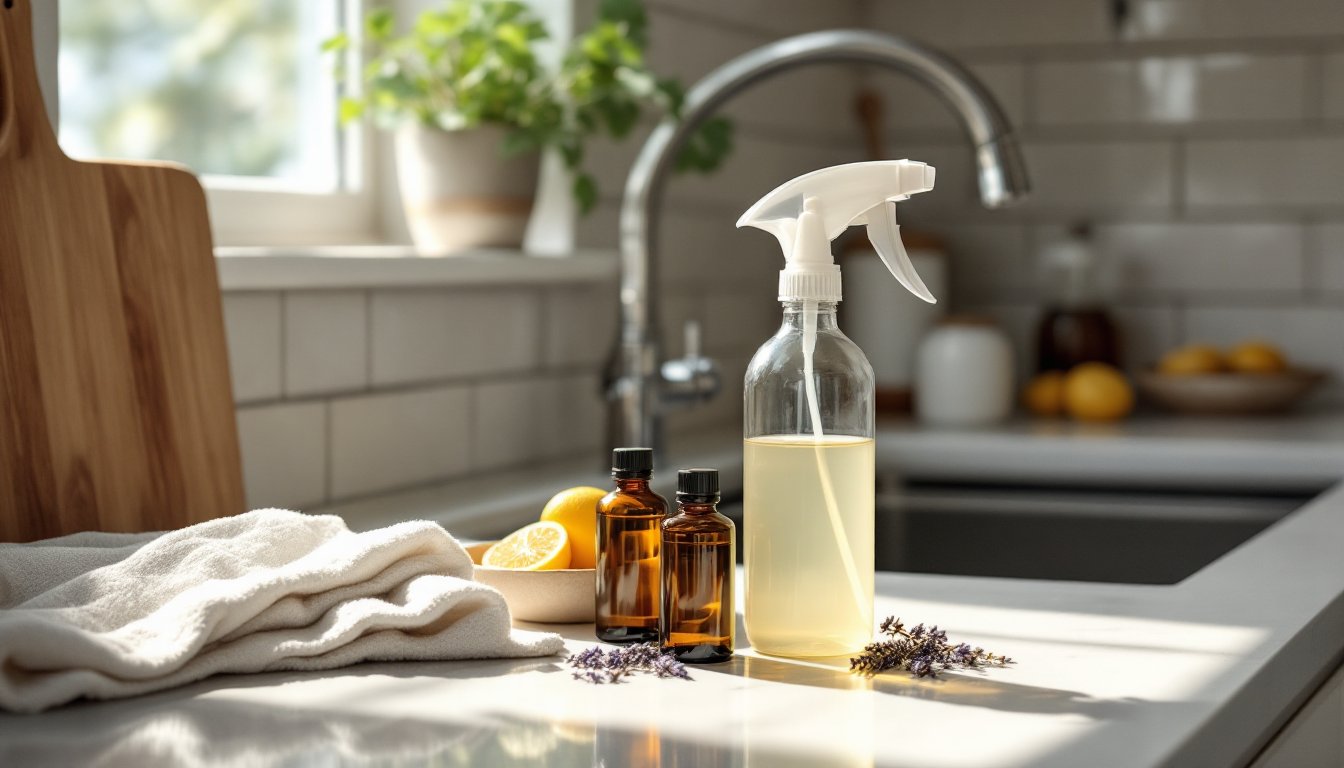
Walk into any big-box store and the cleaning aisle hits like a chemical wall. Bleach, ammonia, synthetic fragrances, effective, sure, but not exactly gentle on lungs or waterways. Essential oils offer a different route: plant-derived compounds that clean, disinfect, and deodorize without the fume headache. They’re not magic, and they won’t replace a good scrub brush, but used correctly, oils like tea tree, lemon, and lavender handle everyday grime while leaving spaces smelling like actual plants instead of “Mountain Spring Breeze #47.” This guide covers why they work, which oils tackle specific jobs, and how to mix them into cleaners that actually pull their weight.
Table of Contents
ToggleKey Takeaways
- Essential oils for cleaning contain naturally occurring antimicrobial compounds like terpenes and phenols that disrupt microbial cell walls without the respiratory risks of bleach or ammonia-based cleaners.
- Tea tree oil excels at eliminating mold and bacteria in bathrooms, lemon oil cuts through kitchen grease, and lavender oil provides gentle disinfection for bedrooms and high-touch surfaces.
- A single 15 mL bottle of essential oil makes dozens of cleaning batches at just 10–20 drops per use, making essential oils for cleaning significantly more cost-effective than conventional spray cleaners.
- Essential oils must always be diluted properly (10–20 drops per cup of liquid), stored in dark glass bottles, and tested on inconspicuous surfaces before use, as undiluted oils can stain or cause skin irritation.
- Pet owners should avoid diffusing tea tree, eucalyptus, and pine oils around cats, which lack the liver enzymes to metabolize certain terpenes and can experience toxicity symptoms.
Why Use Essential Oils for House Cleaning?
Essential oils aren’t just fragrance. Many contain naturally occurring antimicrobial, antifungal, and antibacterial compounds, terpenes, phenols, aldehydes, that disrupt microbial cell walls or inhibit their growth. Tea tree oil, for example, contains terpinen-4-ol, which has been studied for its effectiveness against bacteria and mold. Lemon oil’s d-limonene cuts through grease and acts as a solvent.
Compare that to conventional cleaners, which often rely on quaternary ammonium compounds (quats) or chlorine bleach. Effective? Yes. But quats can trigger asthma, and bleach requires serious ventilation. Essential oils won’t sterilize a surface the way hospital-grade disinfectants do, but for routine household cleaning, counters, floors, glass, they handle common bacteria and everyday dirt without the respiratory trade-off.
Another practical angle: cost per use. A 15 mL bottle of essential oil runs $8–$20 depending on the type. You use 10–20 drops per batch of cleaner, so one bottle makes dozens of spray bottles. That beats buying a new plastic jug of Scrubbing Bubbles every month. Plus, you control the ingredients, no fillers, dyes, or fragrances engineered in a lab.
Word of caution: Essential oils are potent. They’re flammable, they can irritate skin in undiluted form, and they don’t mix with water without an emulsifier. Treat them like you would any concentrated cleaner: label your bottles, keep them out of reach of kids and pets, and don’t assume “natural” means “harmless.”
The Best Essential Oils for Cleaning Every Room
Not all oils clean the same way. Some excel at cutting grease, others kill mold, and a few just smell nice without doing much heavy lifting. Here’s a breakdown of the workhorses and what they’re actually good for.
Tea Tree Oil: The Antimicrobial Powerhouse
Tea tree oil (melaleuca) is the go-to for mold, mildew, and bacteria. It’s particularly useful in bathrooms, tile grout, shower curtains, under sinks, anywhere moisture breeds funk. Studies show it’s effective against E. coli, Staphylococcus aureus, and some mold species. The scent is medicinal, almost camphor-like, so it won’t win any awards for ambiance, but it works.
Practical use: Mix 1 teaspoon tea tree oil with 1 cup water and 1 cup white vinegar in a spray bottle. Shake before each use (oil and water don’t stay mixed). Spray on grout, let sit for 5–10 minutes, scrub with a stiff brush, rinse. Wear nitrile gloves, tea tree can irritate skin with repeated contact.
Don’t use tea tree oil on granite or marble. The acidity of vinegar can etch natural stone: stick to a pH-neutral cleaner for those surfaces, or use the oil with just water and a drop of castile soap.
Lemon Oil: For Grease and Freshness
Lemon oil is a degreaser and a deodorizer. The d-limonene content dissolves sticky residue, adhesive, and built-up cooking oil. It also leaves behind a clean citrus scent that actually smells like lemons, not the artificial stuff in Pledge.
Kitchens are lemon oil’s natural habitat. Use it on stovetops, range hoods, cutting boards (after washing with soap), and to refresh garbage disposals. It also works on stainless steel, cuts fingerprints and adds a subtle shine, but test a small spot first to make sure it doesn’t react with any protective coatings.
Recipe: Combine 10 drops lemon oil, 1/4 cup white vinegar, and 1 3/4 cups water in a spray bottle. For tougher grease, add 1 tablespoon liquid castile soap as an emulsifier and boost the cleaning power. Shake well, spray, wipe with a microfiber cloth. Many homemade cleaning sprays rely on this basic formula for everyday kitchen messes.
Warning: Lemon oil is phototoxic. If you’re cleaning outdoor furniture or windowsills, wipe residue thoroughly. Sunlight can cause skin reactions if oil remains on surfaces people touch, then go outside.
Lavender Oil: Gentle Disinfectant with Calming Scent
Lavender is milder than tea tree but still offers antibacterial properties, thanks to compounds like linalool and linalyl acetate. It’s ideal for bedrooms, nurseries, and upholstered furniture, places where you want a softer scent and a gentler clean. Lavender also pairs well with other oils: it mellows the sharpness of tea tree or eucalyptus without sacrificing effectiveness.
Use it on light switches, doorknobs, remote controls, and baseboards, high-touch areas that don’t need aggressive solvents but benefit from routine disinfection. It’s also safe for most fabrics (always spot-test), making it useful for freshening curtains, throw pillows, and mattress covers.
Multipurpose spray: Mix 8 drops lavender oil, 8 drops lemon oil, 2 cups water, and 2 tablespoons white vinegar in a glass spray bottle. Use on counters, light fixtures, and painted walls. Avoid using on unfinished wood, which can absorb moisture and warp.
DIY Essential Oil Cleaning Recipes You Can Make Today
Recipes don’t need to be complicated. These three cover floors, glass, and general scrubbing. Each uses ingredients you can pick up at a grocery store or hardware shop.
All-Purpose Cleaner
Good for counters, appliances, sinks, and tile.
- 2 cups warm water
- 1/4 cup white vinegar
- 1 tablespoon castile soap (unscented or peppermint)
- 15 drops tea tree oil
- 10 drops lemon oil
Combine in a 16-ounce glass spray bottle. Shake before each use. Spray, let sit 30 seconds, wipe with a clean cloth. Avoid using on natural stone, unsealed grout, or waxed surfaces. The vinegar can dull finishes over time.
Glass and Mirror Cleaner
No streaks, no film, no ammonia smell.
- 1 cup distilled water
- 1 cup rubbing alcohol (70% isopropyl)
- 1 tablespoon white vinegar
- 5 drops lemon oil
Pour into a spray bottle. Spray lightly, don’t drench the glass. Wipe with a microfiber cloth or crumpled newspaper for a streak-free finish. The alcohol evaporates fast, so this works even in humid climates.
Floor Cleaner (for sealed wood, tile, or laminate)
Not for use on unsealed or oiled wood floors.
- 1 gallon warm water
- 1/4 cup white vinegar
- 10 drops lavender oil
- 10 drops eucalyptus or pine oil
Mop as usual. Wring the mop well, standing water damages wood and can seep into laminate seams. For tile, you can be a bit wetter. Rinse the mop head after use: oils can build up and turn rancid. Homeowners looking for more cleaning hacks and organization tips often find that simple formulas like this work better than multi-step routines.
Safety note: Store DIY cleaners in clearly labeled bottles. Use glass or HDPE plastic (#2), some essential oils can degrade other plastics over time, especially polystyrene. Keep out of direct sunlight, which can break down both the oils and the bottles. Most homemade cleaners last 2–3 months: if they smell off or separate in weird ways, toss and make a fresh batch.
How to Safely Use Essential Oils for Cleaning
Essential oils are volatile organic compounds. That’s why they smell strong and why they work, but it’s also why they demand respect. Follow these guidelines to avoid damage, injury, or waste.
Dilution is non-negotiable. Never apply undiluted essential oil directly to surfaces. It can stain, etch, or leave sticky residue. Standard dilution for cleaning is 10–20 drops per cup of liquid. More doesn’t mean cleaner: it just means you’re wasting oil and risking skin irritation.
Ventilation matters. Even natural cleaners release vapors. Open windows when cleaning bathrooms or kitchens with oil-based sprays, especially if you’re using tea tree or eucalyptus, which can be strong in enclosed spaces. If you’re sensitive to scents or have asthma, start with smaller amounts and test your tolerance.
Test before you commit. Always spot-test on an inconspicuous area, under a cabinet lip, behind a door, inside a closet. Essential oils can react with finishes, sealers, and certain plastics. Let the test spot sit for 24 hours and check for discoloration or texture changes.
Pet safety. Cats lack the liver enzyme needed to metabolize certain terpenes, especially those in tea tree, eucalyptus, and pine oils. Don’t diffuse these oils constantly, and don’t spray them in areas where cats groom themselves (litter boxes, feeding stations, cat trees). Dogs tolerate most oils better, but still, moderation. If your pet shows signs of drooling, lethargy, or vomiting after you’ve cleaned with oils, rinse the area thoroughly and contact your vet.
PPE for repeated use. If you’re mixing large batches or cleaning multiple rooms, wear nitrile gloves to prevent skin absorption and potential sensitization. Some people develop contact dermatitis after repeated exposure to undiluted oils, even if the first few uses caused no issues.
Storage: Keep essential oils in dark glass bottles, tightly capped, away from heat sources. Don’t store them above the stove or near a water heater. Oxidation reduces potency and can make oils smell musty. Refrigeration extends shelf life for citrus oils, which oxidize faster than others.
For comprehensive home improvement how-tos that extend beyond cleaning, many DIYers integrate essential oils into broader routines, wood conditioning, air freshening, even pest deterrents, but the same safety rules apply across the board: dilute, ventilate, and label everything.