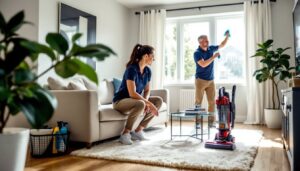
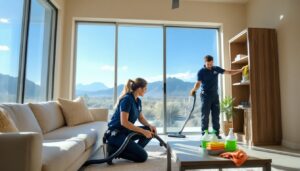
Keeping a home clean becomes physically harder as we age. Reduced mobility, balance issues, and chronic conditions turn routine tasks like mopping floors or scrubbing tubs into genuine challenges, sometimes dangerous ones. Yet maintaining a clean living space isn’t just about appearances: it’s directly tied to health, safety, and the ability to age in place independently. This guide addresses the real obstacles seniors face with housekeeping and provides practical, safety-focused solutions. Whether adapting cleaning methods for an aging parent or planning ahead for one’s own needs, understanding the right tools, techniques, and when to get help makes all the difference.
Table of Contents
ToggleKey Takeaways
- Elderly house cleaning challenges stem from physical changes like reduced mobility, arthritis, and balance issues, making fall prevention and safety the top priority for aging in place.
- Adaptive cleaning tools—lightweight vacuums, extension poles, spray mops, and grabber sticks—transform difficult tasks into manageable ones and typically cost $20–40 per item.
- A distributed cleaning schedule using 15–20 minute daily and weekly blocks is more sustainable and safer than marathon whole-house cleaning sessions that increase fatigue and injury risk.
- Professional cleaning services are a practical investment, not an admission of defeat, especially when balance issues, chronic conditions, or cognitive decline make certain tasks unsafe to perform alone.
- Strategic room-specific techniques, such as using long-handled scrubbers in the bathroom and keeping everyday items at waist height in the kitchen, significantly reduce strain and accident risk.
- Proper storage at waist height, clear labeling of cleaning products, and cleaning during peak energy hours (mid-morning) prevent falls and optimize task completion for seniors managing multiple health conditions.
Why House Cleaning Becomes Challenging for Seniors
Physical changes that come with aging affect nearly every aspect of housekeeping. Arthritis limits grip strength, making it difficult to wring out mops, hold vacuum handles, or twist spray bottles. Balance deterioration increases fall risk, especially on wet floors or when reaching overhead.
Reduced stamina means tasks that once took an hour now require frequent breaks or multiple days to complete. Vision changes make it harder to spot dust, grime, or spills, cleanliness standards may slip without the person even realizing it.
Chronic conditions add layers of complexity. COPD or heart disease make exertion risky: bending to clean baseboards or climbing step stools can trigger shortness of breath or chest pain. Medications may cause dizziness or drowsiness, further raising accident risk during cleaning.
Cognitive decline, whether from normal aging or conditions like dementia, affects task sequencing and memory. Forgetting whether a surface was already cleaned, losing track of cleaning supplies, or struggling to follow multi-step processes all become obstacles. Recognition of these challenges is the first step toward building workarounds that preserve both independence and safety.
Essential Safety Considerations for Elderly House Cleaning
Fall prevention is the top safety priority. Remove all throw rugs or secure them with non-slip backing, these are trip hazards, especially when carrying cleaning supplies. Keep floors clear of extension cords, clutter, and cleaning equipment between tasks.
Never climb on chairs or standard step stools. If overhead cleaning is necessary, use a sturdy step stool with handrails (rated for at least 300 pounds) and have someone nearby to spot. Better yet, use extension poles to eliminate climbing entirely.
Chemical safety matters more as lungs and skin become more sensitive. Switch to fragrance-free or low-VOC cleaners to reduce respiratory irritation. Always clean in well-ventilated areas, open windows and run exhaust fans. Wear nitrile gloves to protect skin from harsh cleaners, especially if on blood thinners or with fragile skin.
Store cleaning products at waist height, never under sinks or on high shelves. This eliminates bending and reaching, both fall triggers. Label bottles clearly with large print or high-contrast markers.
Timing matters. Clean during peak energy hours, usually mid-morning after medication has taken effect but before fatigue sets in. Avoid cleaning when home alone if balance or cognitive issues are present. Many cleaning safety practices recommended by experts emphasize working during optimal alertness.
Hydration and breaks aren’t optional. Set a timer to rest every 15-20 minutes, especially during physically demanding tasks. Dehydration amplifies fatigue and dizziness.
Adaptive Cleaning Tools and Equipment for Seniors
The right tools transform impossible tasks into manageable ones. Lightweight cordless vacuums (under 8 pounds) eliminate the strain of pushing heavy uprights and wrestling with cords. Models with swivel heads reduce the need to bend or twist. Stick vacuums work well for quick daily pickups without the setup effort of traditional machines.
Extension poles with universal attachments are game-changers. A quality pole (fiberglass or aluminum, adjustable from 4-8 feet) paired with microfiber dusting heads, squeegees, and scrub brushes eliminates overhead reaching and floor-level bending. These cost $20-40 and pay for themselves immediately in reduced injury risk.
For mopping, ditch the bucket-and-wringer system. Spray mops with refillable solution tanks and machine-washable microfiber pads require no wringing, no heavy buckets, and minimal bending. The handle does the work.
Tub and tile cleaning tools with long handles prevent the dangerous combination of wet surfaces and awkward positions. Look for scrubbers with pivoting heads and ergonomic grips. Some designs allow cleaning from outside the tub entirely, eliminating the need to step into a slippery enclosure.
Grabber tools (reacher sticks) retrieve dropped items without bending. Keep one in each room, they’re inexpensive ($10-15) and save countless risky bends per week.
Hands-free dustpans with long handles and rubber lips work with standard brooms to eliminate kneeling. Similarly, many practical home organization solutions focus on reducing physical strain through smart tool selection.
Rolling carts carry supplies room-to-room, preventing multiple trips and reducing load on arthritic hands. A three-tier cart with wheels holds everything needed for a full cleaning session and doubles as a stability aid when pushed.
Room-by-Room Cleaning Strategies for Elderly Homeowners
Kitchen
Clean spills immediately, they’re slip hazards and only get harder to remove. Use a spray-and-wipe method rather than bucket washing for counters and appliances. Store everyday dishes between waist and shoulder height to eliminate reaching.
Run the dishwasher nightly even if not full, hand washing requires prolonged standing and grip strength. Use pull-out shelves or lazy Susans in lower cabinets to avoid crawling on hands and knees for items in back.
Bathroom
This is the highest-risk room. Install grab bars (anchored to studs, not just drywall) near the toilet and in the tub/shower, these double as cleaning support. Use daily shower spray after each use to prevent soap scum buildup that requires hard scrubbing later.
Clean the toilet with a long-handled brush and bowl cleaner: let it sit for 10 minutes to reduce scrubbing effort. For the tub, use a long-handled scrubber from outside the tub. Never step into a wet tub to clean it.
Keep a squeegee in the shower for quick post-shower wipe-downs of glass and tile. This prevents mildew and reduces deep-cleaning frequency.
Bedroom
Vacuum or dust mop floors weekly, bedrooms accumulate dust that aggravates respiratory issues. Use fitted sheets with elastic all around (not just corners) for easier bed making. Consider a lightweight comforter instead of heavy quilts or multiple blankets.
Store clothing in dresser drawers rather than high closet shelves. Use a reacher tool for anything on upper shelves.
Living Areas
Dust from top to bottom using an extension pole with microfiber head, no ladders, no chair-standing. Vacuum or sweep high-traffic paths daily with a lightweight stick vacuum to prevent dirt buildup that requires heavy-duty cleaning later.
Keep clutter minimal. Every item on the floor is a trip hazard and an obstacle during cleaning. Detailed room-specific cleaning guides often provide technique variations for different mobility levels.
Creating a Manageable Cleaning Schedule
Abandon the “whole-house cleaning day” approach. It’s too exhausting and increases injury risk through fatigue. Instead, break tasks into 15-20 minute blocks spread throughout the week.
Daily tasks (5-10 minutes):
- Wipe kitchen counters and stovetop
- Squeegee shower after use
- Spot-vacuum high-traffic areas
- Put items back in their places
Weekly rotation (one task per day, 15-20 minutes):
- Monday: Vacuum/mop kitchen and bathroom floors
- Tuesday: Clean bathroom sink, toilet, mirrors
- Wednesday: Dust living areas with extension pole
- Thursday: Vacuum bedrooms and living room
- Friday: Change bed linens
- Saturday: Wipe down kitchen appliances
- Sunday: Rest or catch-up day
Monthly tasks (consider help for these):
- Tub/shower deep clean
- Baseboard dusting
- Window washing
- Refrigerator cleanout
Use a simple written checklist or large wall calendar to track completed tasks, memory aids reduce stress and prevent over-cleaning (wasting energy) or under-cleaning (creating health hazards).
Schedule cleaning during peak energy times and never push through pain or extreme fatigue. If a task can’t be completed safely that day, move it to the next available slot.
This distributed approach maintains cleanliness without the physical toll of marathon sessions. It’s sustainable long-term and adjusts easily as abilities change.
When to Consider Professional Cleaning Services
Recognize when DIY cleaning becomes unsafe or impossible. Professional cleaning services aren’t admitting defeat, they’re a practical tool for aging in place successfully.
Consider professional help when:
- Balance or mobility issues make fall risk unacceptably high
- Chronic conditions (COPD, heart disease) make exertion dangerous
- Cognitive decline affects task completion or chemical safety
- Deep cleaning tasks (tubs, floors, windows) can’t be done safely
- Living alone with no backup if injury occurs
Frequency options vary by need and budget:
- Bi-weekly full-service cleaning ($80-150 per visit for a typical home, varies by region and home size)
- Monthly deep cleaning with daily/weekly tasks handled by resident
- Seasonal intensive cleaning (spring/fall) for tasks beyond regular capability
When selecting a service, ask:
- Are workers bonded and insured?
- Do they provide their own supplies, or should you?
- Can they accommodate specific mobility concerns (avoiding certain rooms while resident is present, working around medical equipment)?
- Are there senior discounts?
Some Medicare Advantage plans or long-term care insurance policies cover limited homemaker services, check benefits before assuming you’ll pay out-of-pocket.
Hybrid approaches work well: professionals handle tubs, floors, and window washing monthly, while the resident manages daily countertop wipes and light tidying. This preserves independence for manageable tasks while ensuring safety for risky ones.
Family members sometimes resist paid help due to cost or pride concerns. Frame it as injury prevention, a broken hip from a cleaning fall costs far more than a cleaning service, both financially and in lost independence.
Conclusion
Maintaining a clean home while aging in place requires honest assessment of abilities and smart adaptation. The right tools, realistic schedules, and knowing when to get help aren’t shortcuts, they’re what make long-term independence possible. Safety always takes priority over cleanliness standards. A lived-in home with grab bars and minimal rugs beats a spotless one with fall hazards every time.