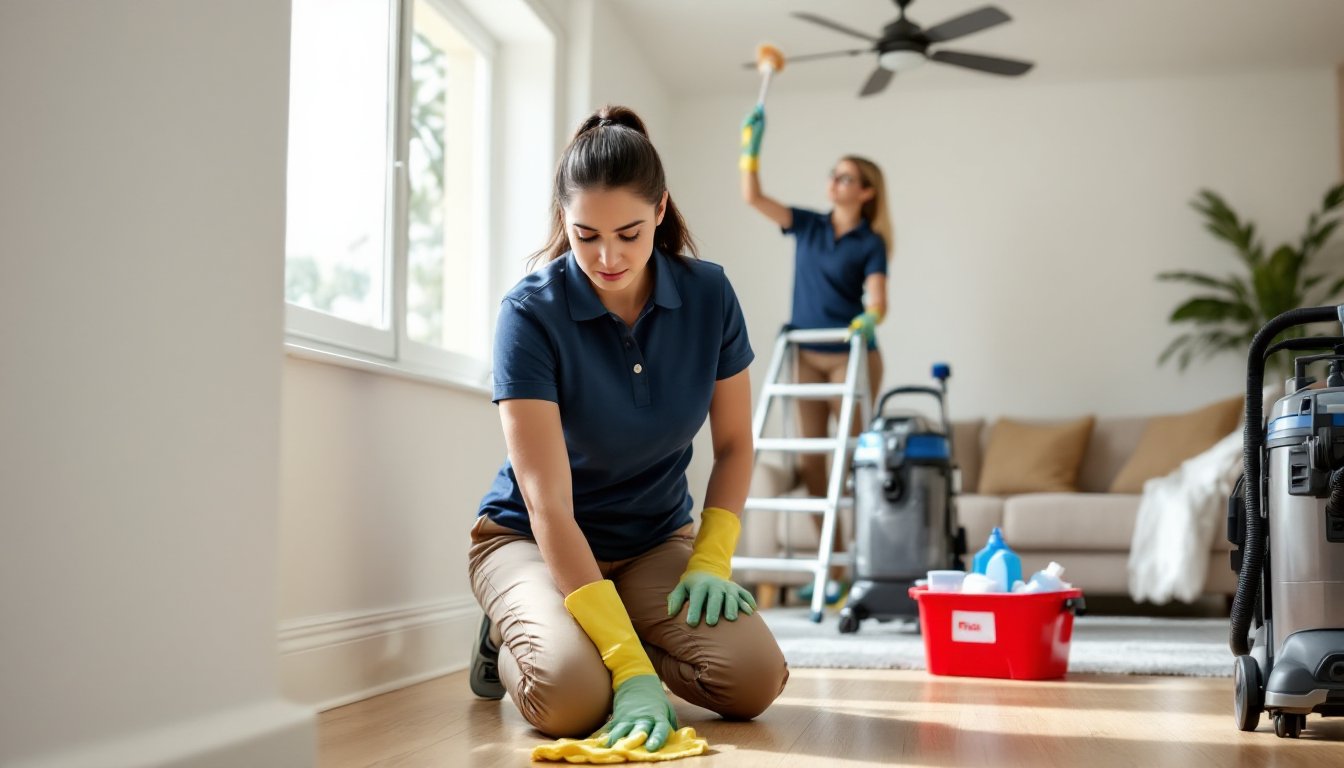
Full service house cleaning means more than a quick vacuum and wipe-down. It’s the deep, corner-to-corner scrub that tackles baseboards, ceiling fans, oven interiors, and those cabinet fronts you haven’t touched since you moved in. Whether you’re prepping for a big event, recovering from a renovation, or just tired of dust bunnies winning the war, understanding what full service cleaning involves, and whether to DIY or hire out, can save time, money, and a lot of frustration. This guide breaks down what’s included, what it costs, and how to tackle it yourself if you’re up for the challenge.
Table of Contents
ToggleKey Takeaways
- Full service house cleaning is a comprehensive, top-to-bottom reset that tackles deep grime, baseboards, appliance interiors, and neglected areas that basic maintenance misses.
- Professional full service cleaning costs $200–$900+ depending on home size and location, while DIY saves money but requires 12+ hours of labor across multiple days.
- Full service cleaning is ideal for move-ins, post-construction cleanup, seasonal resets, or homes that haven’t been deep cleaned in over a year.
- A hybrid approach—handling routine tasks yourself while hiring professionals for tough jobs like window washing and grout scrubbing—can balance cost and labor effectively.
- Always request an itemized estimate when hiring full service cleaners to ensure services like appliance interiors and window washing are clearly covered.
- Working top-to-bottom in each room prevents re-cleaning, so dust ceilings and shelves before mopping floors for maximum efficiency.
What Is Full Service House Cleaning?
Full service house cleaning is comprehensive, top-to-bottom cleaning that goes well beyond routine maintenance. It includes everything a basic clean covers, floors, counters, bathrooms, plus the tasks most people skip week to week: washing windows, scrubbing grout, wiping down light fixtures, cleaning inside appliances, and detailing woodwork.
This type of cleaning is often confused with deep cleaning, and the terms overlap. Both involve intensive work. The key distinction: full service typically refers to a scheduled, all-inclusive package offered by professionals, while deep cleaning can describe either a pro service or a one-time DIY blitz. Either way, expect it to take significantly longer and cost more than a standard clean.
Full service cleaning is ideal for move-ins, move-outs, post-construction cleanup, or seasonal resets. It’s also a smart choice before hosting large gatherings or after long periods of neglect. If you can write your name in the dust on your ceiling fan, you’re overdue.
What’s Included in a Full Service Clean
A true full service clean hits every room and surface, not just the visible ones. Here’s what to expect:
Kitchen:
- Degrease stovetop, range hood, and backsplash
- Clean inside microwave, oven, and refrigerator (including coils if accessible)
- Scrub sink, faucet, and dispose of any buildup
- Wipe cabinet fronts, handles, and drawer faces
- Clean countertops, small appliances, and behind them
- Sweep and mop floors, including under movable appliances
Bathrooms:
- Scrub toilets, tubs, showers, and tile grout
- Remove soap scum and hard water stains
- Polish mirrors, fixtures, and hardware
- Wipe vanities, cabinet fronts, and handles
- Clean exhaust fans and light covers
- Mop floors and baseboards
Living Areas & Bedrooms:
- Dust ceiling fans, light fixtures, and vents
- Wipe baseboards, door frames, and window sills
- Vacuum or mop all flooring, including edges and corners
- Clean window interiors (glass and tracks)
- Wipe switch plates, outlet covers, and thermostats
- Dust furniture, shelves, and décor
Additional Tasks:
- Wash interior windows and sliding glass doors
- Clean blinds, shutters, or window treatments
- Wipe walls and spot-clean scuffs
- Vacuum upholstery and under cushions
- Empty and sanitize trash cans
Some services include extras like interior cabinet cleaning, organizing, or laundry. Always confirm what’s covered before booking.
Full Service vs. Basic Cleaning: Understanding the Difference
Basic cleaning, sometimes called maintenance or standard cleaning, keeps your home tidy between deep sessions. It’s surface-level work: vacuuming, mopping, wiping counters, cleaning toilets and sinks, and taking out trash. It doesn’t involve scrubbing grout, washing windows, or moving furniture.
Basic cleaning is designed for weekly or bi-weekly upkeep. It’s faster, cheaper, and assumes the home is already in decent shape. Think of it as routine maintenance to prevent buildup.
Full service cleaning is the reset button. It tackles grime that’s accumulated over weeks or months, reaches neglected areas, and restores the home to a like-new state. It’s slower, more labor-intensive, and costs significantly more.
Here’s a quick comparison:
| Task | Basic Clean | Full Service Clean |
|---|---|---|
| Vacuum & mop floors | ✓ | ✓ |
| Wipe counters & surfaces | ✓ | ✓ |
| Clean toilets & sinks | ✓ | ✓ (plus deep scrub) |
| Dust furniture | ✓ | ✓ (including tops, backs) |
| Baseboards & trim | – | ✓ |
| Inside appliances | – | ✓ |
| Windows & tracks | – | ✓ |
| Grout & tile scrubbing | – | ✓ |
If you’re maintaining a clean home, basic service works. If you’re starting from scratch or need a serious refresh, full service is the way to go.
How Much Does Full Service House Cleaning Cost?
Pricing for full service cleaning varies widely based on home size, condition, location, and whether you’re hiring an independent cleaner or a company. As of 2026, expect the following ranges:
- Hourly rate: $50–$90 per cleaner (most teams work in pairs)
- Flat rate (small home, 1,000–1,500 sq ft): $200–$400
- Flat rate (medium home, 1,500–2,500 sq ft): $300–$600
- Flat rate (large home, 2,500+ sq ft): $500–$900+
Additional factors that affect cost:
- Condition: Heavily soiled homes or those that haven’t been cleaned in months may incur an extra deep clean surcharge of 25–50%.
- Add-ons: Interior window washing, carpet cleaning, or inside-cabinet cleaning can add $50–$150 each.
- Geographic location: Urban areas and high cost-of-living regions run higher. Expect to pay more in metro markets than in rural areas.
- Frequency discounts: Some companies offer lower rates if you book recurring full service cleans (e.g., quarterly).
When comparing quotes, make sure you’re comparing apples to apples. Some companies include window washing and appliance interiors: others charge extra. Always ask for an itemized estimate.
For contractor matching and cost estimators, HomeAdvisor provides localized pricing data and vetted professional listings.
DIY Full Service Cleaning: A Room-by-Room Checklist
Doing it yourself takes time and elbow grease, but it’s doable if you’re organized. Block out a full day (or weekend) and work room by room. Here’s a checklist to keep you on track.
Safety First:
- Wear nitrile gloves and safety goggles when using chemical cleaners.
- Ensure proper ventilation, open windows and run exhaust fans.
- Use a step ladder rated for your weight when reaching high surfaces.
Supplies You’ll Need:
- All-purpose cleaner, degreaser, glass cleaner
- Scrub brushes, microfiber cloths, sponges
- Broom, vacuum (with attachments), mop
- Grout brush, toilet brush, extendable duster
- Baking soda, white vinegar (for natural alternatives)
- Trash bags, bucket
Room-by-Room Breakdown:
Kitchen:
- Remove everything from counters and wipe down small appliances.
- Spray degreaser on stovetop, range hood, and backsplash: let sit 5–10 minutes.
- Scrub and rinse. Use a non-scratch scrub pad for stubborn spots.
- Clean inside microwave with a bowl of water and vinegar (microwave 3 minutes, then wipe).
- Remove oven racks, spray with oven cleaner, scrub, and rinse.
- Wipe cabinet fronts, handles, and drawer faces.
- Scrub sink and polish faucet.
- Sweep, then mop floor, moving any portable items.
Bathrooms:
- Spray tile, tub, and shower with cleaner: let dwell.
- Scrub grout with a grout brush and baking soda paste if stained.
- Clean toilet bowl, seat, base, and behind the tank.
- Wipe vanity, mirror, and fixtures.
- Clean exhaust fan cover (remove and wash if possible).
- Mop floor last, including behind the toilet.
Living Areas & Bedrooms:
- Dust ceiling fans and light fixtures with an extendable duster.
- Wipe baseboards, door frames, and window sills.
- Vacuum floors, edges, and under furniture.
- Spot-clean walls and switch plates.
- Wash interior windows and tracks with glass cleaner and a microfiber cloth.
Pro Tip: Work top to bottom in every room. Dust and debris fall, so clean ceilings and shelves before floors.
For cleaning tips and tested product recommendations, trusted guides can help you choose the right tools and avoid common mistakes.
When to Hire Professionals vs. Doing It Yourself
DIY makes sense if you have the time, stamina, and the right tools. It’s also the budget-friendly option. But there are situations where hiring out is smarter, or even necessary.
Hire a professional if:
- You’re short on time. A team of two can finish a full service clean in 4–6 hours. Doing it solo could take 12+ hours across multiple days.
- Your home hasn’t been deep cleaned in over a year. Built-up grime, grease, and mineral deposits require commercial-grade products and experience to remove safely.
- You’re dealing with post-construction dust. Fine particulate from drywall, tile cutting, or sawdust can damage vacuums and requires HEPA filtration and specialized cleanup methods.
- You have mobility limitations or health concerns. Bending, reaching, and exposure to cleaning chemicals can be unsafe for some homeowners.
- You’re preparing for a real estate showing or inspection. A professional clean ensures every detail is handled and the home shows its best.
DIY works if:
- You’re maintaining a relatively clean home and just need a seasonal refresh.
- You enjoy hands-on work and have a free weekend.
- You already own the tools and supplies.
- You’re comfortable with physical labor and repetitive tasks.
Gray area: hybrid approach. Some homeowners DIY the routine tasks, vacuuming, dusting, mopping, and hire pros for the tough stuff like window washing, grout scrubbing, or appliance interiors. This splits the cost and labor.
When hiring, vet your options carefully. Find local house cleaners with verified reviews to compare rates, services, and customer feedback. Look for insured and bonded providers, especially if they’ll be working unsupervised.
Conclusion
Full service house cleaning isn’t glamorous, but it’s one of the most effective ways to reset your home and make it feel livable again. Whether you roll up your sleeves or hire a crew, the key is knowing what’s involved, what it should cost, and when to call in backup. A clean home isn’t just about appearances, it’s about creating a space that works for you, not against you.