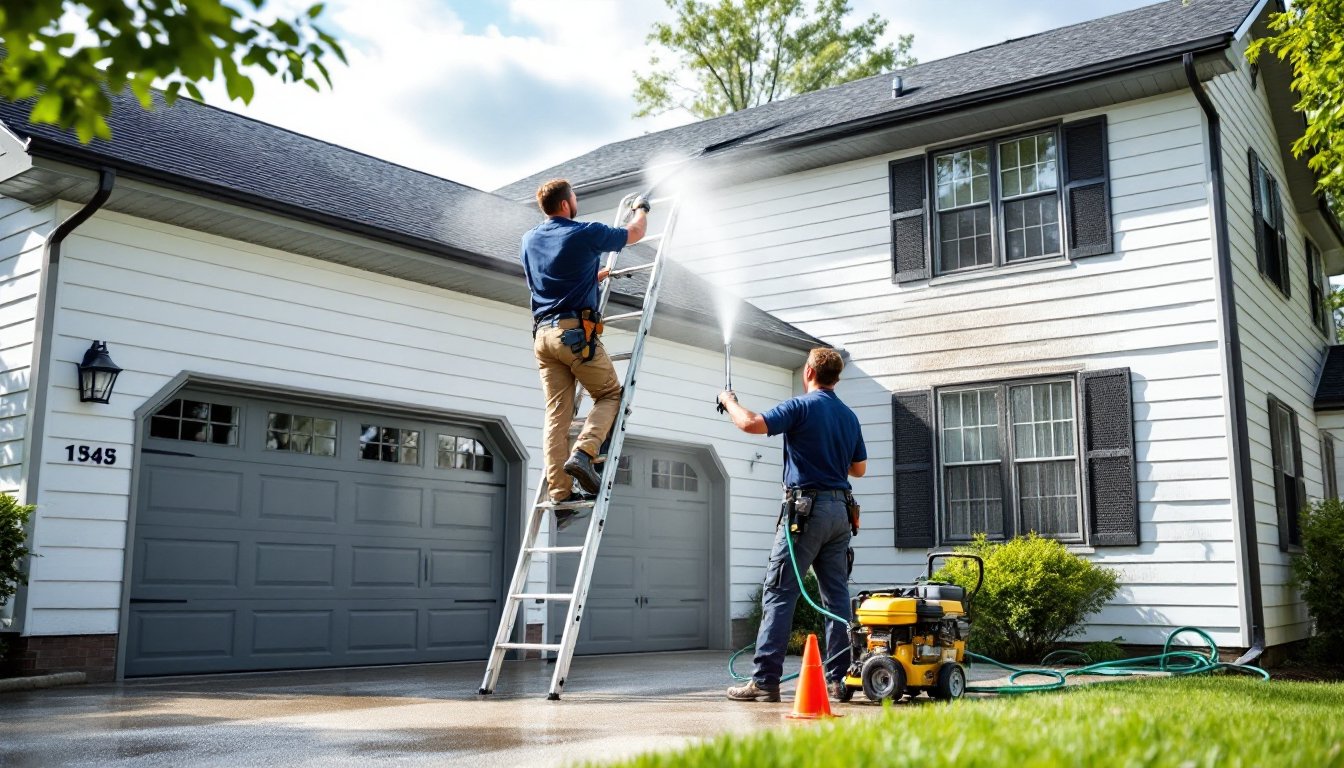
Most homeowners treat exterior cleaning like spring cleaning, something they’ll get around to eventually. But grime, mildew, and oxidation don’t wait for motivation. They damage siding, lower curb appeal, and quietly degrade the materials protecting your home. Professional exterior house cleaning services handle the work most DIYers avoid: the tall ladder spots, the stubborn algae streaks, and the careful balance between pressure and precision. This guide breaks down what these services offer, what they cost, and when it makes sense to hire out versus tackling it yourself.
Table of Contents
ToggleKey Takeaways
- Professional exterior house cleaning services remove damaging grime, mildew, and oxidation using pressure washing or soft washing techniques tailored to your home’s specific materials.
- Regular exterior cleaning prevents costly water damage, extends material lifespan, improves curb appeal, and can increase resale value by signaling overall property maintenance to buyers.
- Hiring a professional is recommended for multi-story homes, delicate materials like stucco or wood, significant mold growth, or when preparing for a home sale, while DIY works for single-story accessible areas.
- Reputable exterior house cleaning contractors should provide proof of insurance, explain their cleaning methods, offer written estimates with detailed scopes, and include satisfaction guarantees in their agreements.
- Typical exterior house cleaning costs range from $300–$800 for single-story homes to $500–$1,200 for two-story properties, with savings available through bundled services and off-season scheduling.
What Is an Exterior House Cleaning Service?
An exterior house cleaning service specializes in removing dirt, organic growth, and environmental buildup from the outside surfaces of a home. This isn’t about hosing off dust, it’s methodical cleaning that targets siding, gutters, windows, eaves, and often driveways or walkways.
Professionals use different techniques depending on the surface material. Pressure washing (also called power washing) uses high-pressure water, typically 1,500 to 3,000 PSI, to blast away stubborn contaminants. It works well on concrete, brick, and some composite materials. Soft washing relies on low-pressure water combined with specialized cleaning solutions to kill mold, algae, and mildew without damaging delicate surfaces like vinyl siding, wood, or stucco.
Most services are mobile operations. Crews arrive with their own water supply, pumps, ladders, and cleaning agents. They handle setup, cleaning, and rinse-off in a single visit. The goal is thorough surface restoration without risking damage from over-aggressive equipment or improper technique.
Why Exterior House Cleaning Matters for Homeowners
Curb appeal is the obvious benefit, but exterior cleaning directly impacts home maintenance and longevity. Algae, mildew, and moss aren’t just cosmetic problems, they hold moisture against siding and trim, accelerating rot and material breakdown. On vinyl siding, oxidation creates a chalky residue that degrades the surface over time.
Gutters clogged with organic debris can overflow during storms, directing water into fascia boards, soffits, or even foundation walls. Regular cleaning prevents costly water damage and preserves the drainage system’s function.
From a financial standpoint, clean exteriors improve resale value. A 2023 report from the National Association of Realtors noted that homes with well-maintained exteriors sell faster and closer to asking price. Buyers interpret clean siding and trim as a signal of overall property care.
There’s also a health component. Mold and mildew spores on exterior walls can infiltrate attics, crawlspaces, and HVAC intakes. Removing them reduces indoor air quality risks, especially for households with respiratory sensitivities.
What’s Included in Professional Exterior Cleaning
Service packages vary, but most comprehensive exterior cleaning includes the following:
Siding and trim cleaning: Removal of dirt, algae, mildew, and oxidation from vinyl, wood, fiber cement, or stucco. Contractors match the cleaning method to the material, soft washing for delicate surfaces, pressure washing for durable ones.
Gutter cleaning and exterior flush: Clearing debris from gutters and downspouts, followed by an exterior rinse to remove streaks and staining caused by overflow or organic runoff.
Window washing: Exterior glass cleaning, including frames and sills. Some services include screens: others charge separately.
Roof cleaning: Targeted removal of moss, algae, and lichen from asphalt shingles, metal roofing, or tile. This often uses soft washing to avoid shingle damage. Note that walking on roofs can void some warranties, so confirm the method before hiring.
Concrete and hardscape cleaning: Driveways, walkways, patios, and retaining walls. Pressure washing removes oil stains, tire marks, and organic growth. Sealing is sometimes offered as an add-on.
Deck and fence cleaning: Wood, composite, or vinyl structures. Professionals adjust pressure and chemical use based on material to avoid splintering or discoloration.
Not all companies offer every service. Some focus exclusively on siding and gutters, while others bundle hardscapes and windows into standard packages. Always request a detailed scope of work before signing.
DIY vs. Hiring a Professional: Which Is Right for You?
DIY exterior cleaning is feasible for single-story homes with accessible areas and no delicate materials. You’ll need a pressure washer (available at rental centers for $50–$100 per day), a sturdy extension ladder, safety goggles, gloves, and appropriate cleaning solutions.
The main risks are surface damage and personal injury. Over-pressuring vinyl siding can force water behind the material, leading to mold growth inside wall cavities. Using too narrow a spray tip on wood can gouge the surface. And ladder work on uneven ground or near power lines is inherently dangerous, falls are a leading cause of DIY injuries.
Professionals bring experience in material identification and pressure calibration. They know how to angle nozzles to avoid driving water under siding seams or damaging window seals. Many contractors offer services through platforms like pressure washing directories, which vet providers and include customer reviews.
Hire a professional if:
- Your home is two stories or taller
- You have stucco, wood siding, or historic materials
- There’s significant mold, algae, or roof moss
- You’re uncomfortable on ladders or operating high-pressure equipment
- You’re prepping for a sale and need guaranteed results
DIY makes sense for low, accessible areas like patios, sidewalks, and single-story vinyl siding, provided you research proper technique and equipment settings first.
How to Choose the Best Exterior House Cleaning Service
Not all cleaning companies are equal. Here’s how to separate experienced contractors from fly-by-night operators:
Verify insurance and licensing. Exterior cleaning involves ladders, high-pressure equipment, and potential property damage. Confirm the company carries general liability insurance and workers’ compensation. Some states require specific contractor licenses for pressure washing businesses.
Ask about cleaning methods. A reputable contractor will explain whether they use pressure washing, soft washing, or a combination, and why. Be wary of anyone who defaults to maximum pressure for every surface.
Request references and reviews. Check online reviews on contractor matching platforms and ask for recent customer contacts. Look for feedback on punctuality, thoroughness, and how they handled issues.
Get a detailed written estimate. The quote should specify which surfaces are included, the cleaning method, and whether chemicals, water, or disposal fees are extra. Avoid vague “whole house” pricing without a scope breakdown.
Confirm water source and disposal. Some companies use your home’s water supply: others bring their own tank. For chemical treatments, ask how runoff is managed, especially near landscaping, wells, or septic drain fields.
Check for guarantees. Professional cleaners often offer satisfaction guarantees or spot re-cleaning if you’re not happy with results. Make sure this is in writing.
Red flags include cash-only pricing, no physical business address, or reluctance to provide proof of insurance.
Cost Expectations and Budgeting Tips
Pricing varies widely based on home size, surface type, location, and service scope. As of 2026, here’s what homeowners typically pay:
- Whole-house exterior cleaning (siding, gutters, windows): $300–$800 for a single-story home: $500–$1,200 for two stories
- Pressure washing (driveway, walkway, patio): $0.15–$0.40 per square foot, or $150–$400 for typical residential areas
- Roof cleaning: $300–$600, depending on pitch, material, and extent of growth
- Gutter cleaning alone: $100–$250
- Window washing (exterior only): $150–$350 for a standard home
Costs in metro areas or regions with higher labor rates can run 20–30% above these ranges. Material also matters, cleaning stucco or wood typically costs more than vinyl due to the care required.
To save money without sacrificing quality:
- Bundle services. Most contractors discount combined packages (siding + gutters + windows) versus à la carte pricing.
- Schedule during off-peak seasons. Spring and early summer are peak demand. Fall or late winter bookings often come with lower rates.
- Handle prep work yourself. Clear landscaping, move patio furniture, and trim back vegetation to reduce the crew’s setup time.
- Compare multiple quotes. Use home improvement cost estimators to benchmark pricing, then get at least three written estimates.
Avoid the cheapest bid if it’s significantly below market rate, it often signals inexperience, lack of insurance, or corner-cutting on cleaning solutions.
Conclusion
Exterior house cleaning isn’t glamorous, but it’s one of the most effective maintenance tasks for protecting your investment. Whether you hire a professional crew or rent a pressure washer for a weekend, the key is matching the method to the material and addressing buildup before it causes damage. A clean exterior isn’t just about looks, it’s about longevity, safety, and keeping small problems from becoming expensive repairs.