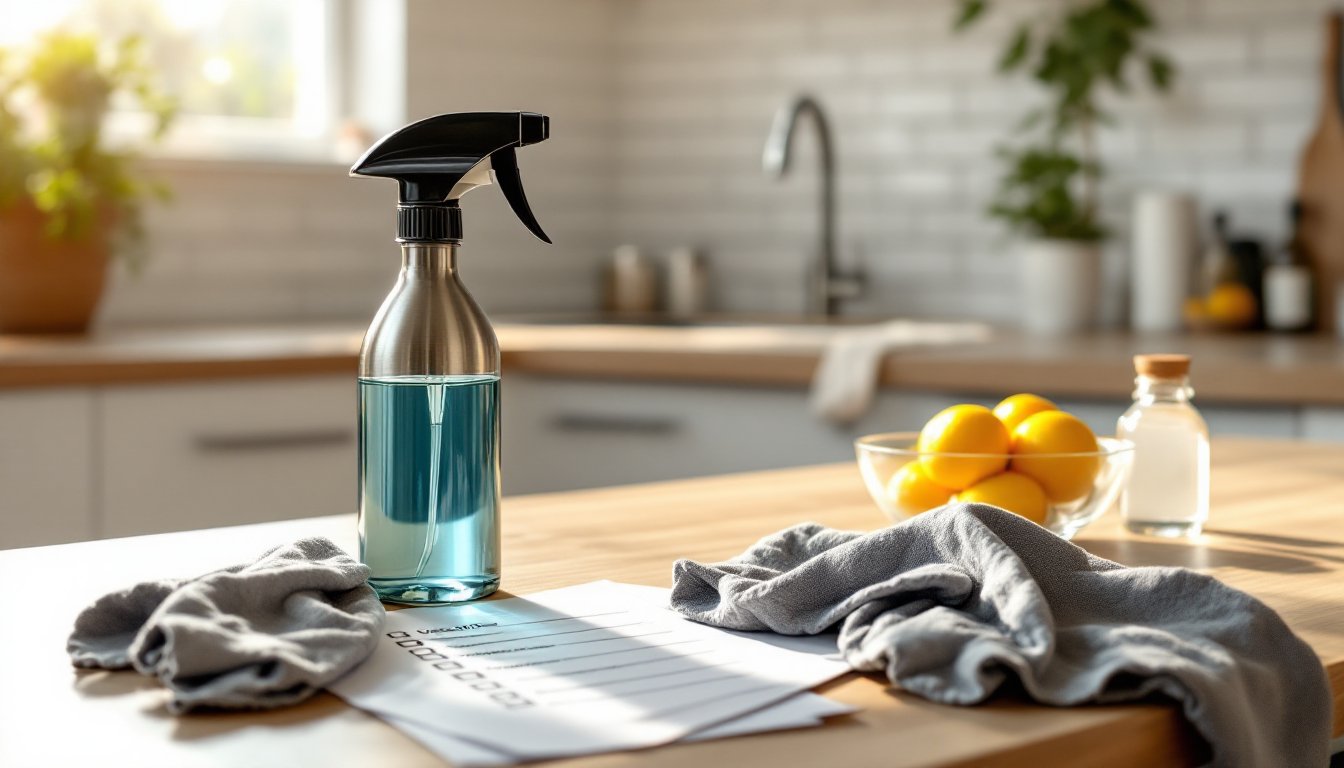
A clean home doesn’t happen by accident, it happens with a system. Without a clear plan, homeowners waste time bouncing between rooms, forgetting corners, and re-cleaning areas they’ve already tackled. A structured checklist eliminates guesswork, breaks down overwhelming tasks into manageable steps, and ensures nothing gets overlooked. Whether someone is tackling a full deep clean, maintaining weekly routines, or preparing for guests, a room-by-room approach keeps the process efficient. This guide provides a comprehensive, free cleaning checklist that can be adapted to any home’s layout and schedule.
Table of Contents
ToggleKey Takeaways
- A free house cleaning checklist organized by room and frequency eliminates wasted effort, prevents missed spots, and transforms chaotic cleaning into manageable weekly routines.
- Daily tasks like wiping counters and sweeping, combined with weekly deep-cleans and monthly maintenance, ensure high-touch surfaces stay sanitary while preventing costly damage to appliances.
- Using a structured cleaning system saves money long-term by preventing mold growth, extending appliance life, and maintaining indoor air quality through regular filter changes and vent cleaning.
- Spreading tasks across the week, batching similar chores together, and delegating to family members prevents burnout while keeping everyone accountable through visual progress tracking.
- Washing bedding in hot water weekly and vacuuming under furniture significantly reduces dust mites and allergens, directly improving sleep quality and respiratory health.
- Seasonal adjustments—like spring window cleaning, summer outdoor focus, and winter humidity control—keep your free cleaning checklist relevant and prevent neglected areas year-round.
Why Every Home Needs a Cleaning Checklist
Cleaning without a plan leads to wasted effort and missed spots. A checklist creates accountability, reduces mental load, and tracks progress in real time.
Consistency is the biggest benefit. Random cleaning sessions often focus on visible messes while neglecting baseboards, vents, and appliance interiors. A checklist rotates tasks so high-traffic areas get weekly attention, while less critical zones follow monthly or seasonal schedules.
Time efficiency improves dramatically. Most people underestimate how long tasks take or lose momentum mid-session. A written checklist divides labor into realistic blocks, preventing burnout. It also helps when delegating, family members or cleaning services can follow the same system without constant supervision.
Maintenance prevents expensive repairs. Routine tasks like clearing dryer vents, checking caulk lines, and wiping down refrigerator coils extend appliance life. Ignoring these small jobs often leads to mold growth, fire hazards, or premature equipment failure. A checklist ensures preventive care stays on schedule, which saves money over time.
Kitchen Cleaning Essentials
The kitchen sees constant use, so grime builds fast. Grease, food splatter, and moisture create prime conditions for bacteria and odors if left unchecked.
Daily tasks:
- Wipe down countertops and backsplash with a degreasing cleaner
- Wash dishes or load dishwasher after meals
- Sweep or vacuum floors to remove crumbs
- Empty trash and replace liner
- Wipe down sink and faucet handles
Weekly tasks:
- Degrease stovetop and range hood filters, oil residue is a fire hazard
- Mop floors with a pH-neutral cleaner suitable for tile, vinyl, or hardwood
- Clean microwave interior (steam with a bowl of water and vinegar first)
- Wipe down appliance exteriors, including refrigerator handles
- Sanitize cutting boards and sponges (run sponges through the dishwasher or microwave when damp)
Monthly tasks:
- Deep-clean oven interior using a commercial cleaner or baking soda paste
- Empty and wipe down refrigerator shelves and drawers: discard expired items
- Clean out dishwasher filter and run an empty cycle with white vinegar
- Wipe cabinet fronts and drawer pulls to remove fingerprints and grease
- Check under sink for leaks or moisture, address immediately if found
Organizing cleaning routines by frequency ensures high-touch surfaces stay sanitary while preventing deep-seated grime. Many home organization strategies incorporate cleaning schedules that match household traffic patterns.
Bathroom Deep Clean Tasks
Bathrooms demand frequent attention due to humidity, soap scum, and mildew. Poor ventilation accelerates mold growth, especially around grout lines and caulk seams.
Daily tasks:
- Wipe down sink and faucet
- Squeegee shower walls and door after use to prevent water spots and mildew
- Hang towels to dry properly
- Empty trash
Weekly tasks:
- Scrub toilet bowl, seat, and base with a disinfecting cleaner (wear gloves)
- Clean mirrors and glass surfaces with glass cleaner or vinegar solution
- Scrub shower/tub walls, paying attention to grout lines and corner seams
- Mop floors with a disinfectant suitable for tile or vinyl
- Wash bath mats and replace towels
- Wipe down light fixtures and exhaust fan cover
Monthly tasks:
- Deep-clean grout with a grout brush and oxygen bleach cleaner
- Check caulk around tub and shower for gaps or mildew, recaulk if necessary
- Descale showerheads by soaking in white vinegar overnight
- Wipe down baseboards and door frames
- Clean exhaust fan interior (turn off power first), dust buildup reduces ventilation effectiveness
Safety note: Never mix bleach with ammonia or vinegar: doing so creates toxic fumes. Always ventilate the room by running the exhaust fan or opening a window.
Bathroom maintenance directly impacts indoor air quality. Mold spores spread quickly in damp conditions, so addressing ventilation problems early prevents costly remediation work later.
Living Room and Common Area Maintenance
Living spaces accumulate dust, pet dander, and allergens. Upholstered furniture and carpets trap particles, which recirculate through HVAC systems if not addressed.
Weekly tasks:
- Vacuum carpets and rugs using a HEPA-filter vacuum (reduces airborne allergens)
- Dust all surfaces, including shelves, picture frames, and electronics
- Wipe down coffee tables and side tables with appropriate cleaner (wood polish, glass cleaner, etc.)
- Vacuum or sweep hard floors, then damp-mop
- Fluff and rotate couch cushions to prevent uneven wear
Monthly tasks:
- Vacuum upholstery using brush attachment: spot-clean stains according to fabric care label
- Dust ceiling fans, light fixtures, and lampshades (turn off power first)
- Wipe down baseboards, door frames, and window sills
- Clean windows inside and out: check weatherstripping for gaps
- Vacuum air vents and return registers: change HVAC filters if needed
Quarterly tasks:
- Deep-clean carpets with a rented extractor or hire a professional service
- Inspect furniture for loose screws or sagging support: tighten hardware as needed
- Rotate area rugs to even out sun exposure and foot traffic patterns
Dust control isn’t just cosmetic, accumulated particles degrade indoor air quality and force HVAC systems to work harder. Regular filter changes and vent cleaning improve energy efficiency. Professional seasonal cleaning routines often emphasize air quality improvements alongside visible tidiness.
Bedroom Cleaning Priorities
Bedrooms require consistent cleaning to minimize allergens and maintain sleep quality. Dust mites thrive in bedding and carpets, triggering respiratory issues if left unchecked.
Weekly tasks:
- Wash all bedding (sheets, pillowcases, duvet covers) in hot water to kill dust mites
- Vacuum floors, including under the bed
- Dust nightstands, dressers, and lamps
- Wipe down light switches and door handles
- Empty trash and remove clutter
Monthly tasks:
- Vacuum mattress surface and flip or rotate according to manufacturer guidelines
- Wash pillows (check care labels, most can be machine-washed)
- Dust window blinds or wash curtains
- Wipe down closet shelves and vacuum closet floors
- Clean mirrors and picture frames
Quarterly tasks:
- Wash mattress protector and inspect mattress for stains or wear
- Deep-clean carpets or mop hard floors
- Organize dresser drawers and discard unused items
- Wipe baseboards and door frames
Bedrooms often get deprioritized since guests don’t see them, but poor air quality affects sleep. Vacuuming weekly and washing bedding in 130°F or hotter water significantly reduces allergen levels. Consider using mattress and pillow protectors, they’re easier to launder than replacing bedding prematurely.
Simplified decluttering systems pair well with cleaning routines, since clutter-free surfaces are easier to dust and vacuum efficiently.
How to Use Your Free Cleaning Checklist Effectively
A checklist only works if it’s realistic and adaptable. Tailor the frequency and scope to match household size, lifestyle, and available time.
Start by assigning tasks to days. Spreading chores across the week prevents marathon cleaning sessions. For example:
- Monday: Kitchen deep-clean
- Tuesday: Bathroom scrub
- Wednesday: Vacuum and dust living areas
- Thursday: Bedroom refresh
- Friday: Floors and baseboards
Delegate when possible. Divide tasks among household members based on age and ability. Even young kids can handle simple jobs like emptying small trash cans or wiping mirrors. Clear assignments reduce friction and distribute labor fairly.
Batch similar tasks together. Dusting all rooms in one session is faster than switching tools between tasks. Likewise, collect all trash at once rather than room-by-room trips.
Adjust for seasons. Spring and fall benefit from deeper cleaning, window washing, gutter checks, HVAC servicing. Summer focuses on outdoor spaces, while winter emphasizes indoor air quality and humidity control.
Track completion. Use a printed checklist, whiteboard, or app to mark finished tasks. Visual progress builds momentum and accountability. If a task consistently gets skipped, reassess whether it’s realistic or needs to move to a different frequency tier.
Don’t strive for perfection. A “good enough” clean maintained weekly beats a spotless house followed by weeks of neglect.
Conclusion
A structured cleaning checklist transforms household upkeep from overwhelming chaos into manageable routines. By breaking tasks into daily, weekly, and monthly intervals, homeowners maintain clean, healthy spaces without dedicating entire weekends to scrubbing. Consistency prevents buildup, extends appliance life, and improves indoor air quality, all while saving time and money long-term. Adapt the checklist to fit specific needs, delegate tasks, and track progress to stay on course.