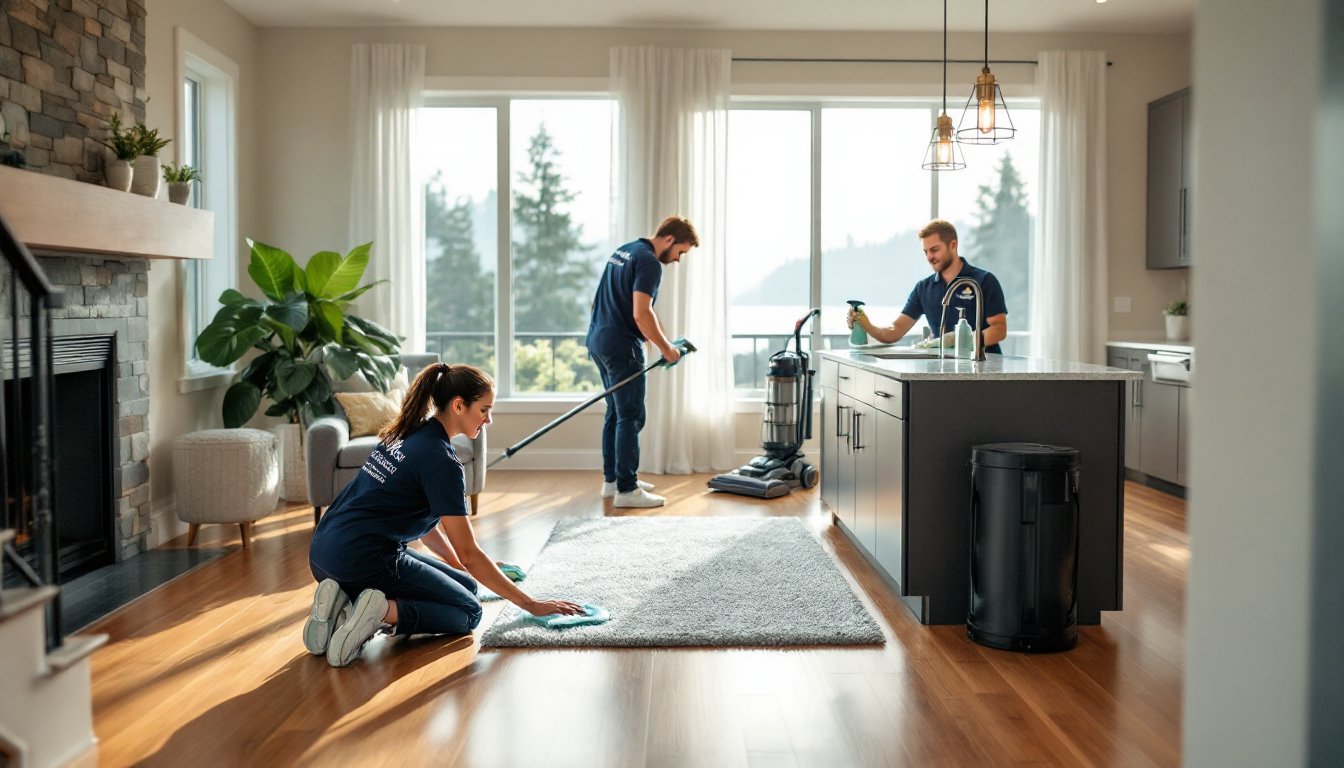
Bellevue’s mix of newer construction, older Craftsman homes, and high-rise condos all share one thing: they get dirty. Between the Pacific Northwest’s constant drizzle tracking mud indoors, evergreen pollen coating windowsills, and dust from nearby construction projects, maintaining a clean home takes consistent effort. Whether someone’s juggling work and family or simply prefers spending weekends hiking the Cascades instead of scrubbing baseboards, understanding house cleaning options, professional or DIY, makes a real difference in maintaining property value and indoor air quality.
Table of Contents
ToggleKey Takeaways
- House cleaning in Bellevue, WA requires addressing Pacific Northwest-specific challenges like persistent moisture, pollen, and mildew that DIY cleaning alone often misses.
- Professional cleaning services in Bellevue cost $160–$280 for standard service on a 1,500–2,000 sq ft home, with biweekly scheduling offering the best value for maintaining property protection.
- Verify credentials by confirming a cleaning service’s UBI number, general liability insurance, workers’ compensation coverage, and bonding before hiring.
- Seasonal maintenance is critical: change HVAC filters monthly during spring pollen season, run bathroom exhaust fans for 20 minutes after showers, and maintain humidity between 30–50% to prevent mold growth.
- DIY success requires investing in quality tools like HEPA-filtered vacuums ($200–$400), microfiber cloths, and pH-neutral wood floor cleaners suited to Bellevue’s hardwood-heavy homes.
- Declutter surfaces and communicate priority areas before your cleaning team arrives to maximize their efficiency and ensure focus on problem zones like mud-tracked entryways.
Why Bellevue Homes Need Regular Professional Cleaning
Bellevue’s climate creates unique cleaning challenges that go beyond what homeowners in drier regions face. The persistent dampness from October through May encourages mold and mildew growth, especially in bathrooms, basements, and poorly ventilated closets. Professional cleaners know to check grout lines, shower caulking, and window tracks, areas where moisture accumulates and household members often miss during routine cleaning.
Dust composition here differs from other regions. Pine and fir pollen blankets everything in spring, while westerly winds carry fine particulates from urban Seattle across Lake Washington. Homes with forced-air HVAC systems need regular surface cleaning to prevent allergen buildup, particularly on ceiling fan blades, return vents, and window coverings.
High home values in Bellevue mean maintenance matters. The median home price exceeds $1.3 million, and regular professional cleaning helps protect that investment. Dirt acts as an abrasive on hardwood floors, grit damages tile grout, and neglected surfaces develop permanent staining that requires costly restoration. A cleaning service every two to four weeks prevents degradation that compounds over time.
Professional cleaners bring commercial-grade equipment that most homeowners don’t own: HEPA-filtered vacuums that capture fine particles, truck-mounted steam cleaners for deep carpet extraction, and microfiber systems that trap dust instead of redistributing it. They also carry liability insurance, important when someone else is working inside the home with water, chemicals, and equipment that could cause damage.
What to Look for in a Bellevue House Cleaning Service
Start by confirming proper business licensing. Washington State requires house cleaning businesses to register with the Department of Revenue and carry a UBI (Unified Business Identifier) number. Legitimate services should provide this without hesitation. Verify they carry both general liability insurance and workers’ compensation coverage, if a cleaner gets injured on the property and the company lacks workers’ comp, the homeowner could face liability.
Bonding matters for peace of mind. A bonded cleaning service has purchased a surety bond that compensates homeowners if employees steal or damage property. It’s not the same as insurance, but it adds a layer of protection worth asking about.
Ask about cleaning products and methods. Some services use only green-certified products (EcoLogo, Green Seal, or EPA Safer Choice labels), while others default to conventional cleaners unless requested otherwise. Homeowners with young children, pets, or respiratory sensitivities should specify product preferences upfront. Get specifics: what do they use on granite versus laminate countertops? Do they know the difference between cleaning sealed hardwood and engineered floors?
Pricing structure varies. Some companies charge by the hour with a minimum (typically two to three hours), while others quote flat rates based on square footage and number of bedrooms/bathrooms. Flat-rate pricing offers predictability, but hourly billing can work better for irregular deep-clean projects. Request a written estimate that itemizes what’s included, “standard clean” means different things to different companies.
Check how they handle employee screening. Reputable services conduct background checks and verify references before sending anyone into a home. Ask about employee turnover rates: consistent teams learn a home’s layout and specific preferences, delivering better results over time.
Communication systems separate good services from mediocre ones. Can clients request the same cleaner each visit? Is there an online portal for scheduling changes and special requests? What’s the cancellation policy? These operational details reveal how seriously a company takes customer service.
Average House Cleaning Costs in Bellevue, WA
Bellevue cleaning rates run higher than the national average, reflecting the area’s cost of living and wage standards. As of 2026, expect to pay $160 to $280 for a standard cleaning of a 1,500 to 2,000 square-foot home with three bedrooms and two bathrooms. Hourly rates typically range from $40 to $70 per cleaner, with most services sending two-person teams.
Deep cleaning costs more, usually 50% to 100% above standard rates. The first-time clean of a home always qualifies as deep cleaning, involving baseboard wiping, interior cabinet cleaning, detailed grout scrubbing, and other tasks skipped during maintenance visits. Budget $300 to $500 for an initial deep clean of a mid-sized home.
Square footage drives pricing, but layout and condition matter too. A 2,500 square-foot rambler with open floor plan cleans faster than a split-level with the same square footage. Homes with pets, especially shedding dogs or multiple cats, cost more due to extra vacuuming and hair removal. Houses with white carpeting, marble countertops, or other high-maintenance finishes require specialized care that increases labor time.
Add-on services carry separate charges. Window cleaning (interior and exterior) adds $5 to $12 per window. Oven deep-cleaning runs $25 to $50. Refrigerator interior cleaning costs $30 to $60. Carpet steam cleaning prices separately, typically $0.30 to $0.50 per square foot with room minimums.
Frequency affects per-visit cost. Weekly cleaning subscriptions usually offer 10% to 15% discounts compared to one-time rates. Biweekly service is the most common schedule, it maintains cleanliness without the premium cost of weekly visits. Monthly service exists, but homes typically need more attention between visits.
Prices fluctuate based on demand. Services get booked solid before major holidays (Thanksgiving, Christmas, and pre-summer months), and some impose holiday surcharges of 15% to 25% for cleanings scheduled within three days of major holidays.
DIY House Cleaning Tips for Bellevue Homeowners
Tackling house cleaning independently saves money but requires the right approach and tools. Start with a functional vacuum cleaner, not a budget upright that loses suction after six months. A HEPA-filtered canister vacuum handles Bellevue’s mix of hardwood, tile, and carpeted surfaces better than single-purpose machines. Expect to spend $200 to $400 for a quality unit that lasts years. Bagless models seem convenient but require frequent filter cleaning: bagged versions maintain suction longer between maintenance.
Microfiber cloths outperform cotton rags and paper towels for dusting and surface wiping. They trap particles electrostatically instead of pushing dust around. Buy at least 20 cloths in different colors: assign specific colors to bathrooms, kitchens, and general areas to avoid cross-contamination. Wash them separately in hot water without fabric softener, which ruins their texture.
For Bellevue’s hard water, white vinegar works as a descaling agent on faucets, showerheads, and glass shower doors. Mix equal parts vinegar and water in a spray bottle. Let it sit for five to ten minutes before wiping. Stubborn mineral deposits need stronger treatment, citric acid powder dissolved in water (1 tablespoon per cup) removes buildup that vinegar can’t touch.
Wood floor care matters in a region with humidity swings. Never use oil soap or wet mops on hardwood, they leave residue and cause moisture damage. Instead, use a barely damp microfiber mop with a pH-neutral cleaner specifically formulated for sealed wood floors. Vacuum or sweep first to remove grit that scratches the finish.
Kitchen and bathroom grout stays cleaner with regular maintenance. According to tested cleaning methods, a paste of baking soda and hydrogen peroxide (3% solution) works on unsealed grout without harsh fumes. Apply with an old toothbrush, let it sit for ten minutes, scrub, and rinse. For sealed grout, a mild alkaline cleaner prevents staining without breaking down the sealer.
Seasonal Cleaning Considerations for the Pacific Northwest Climate
Fall and winter bring mud season. Place commercial-grade walk-off mats (minimum 3 feet by 5 feet) at every exterior door. These mats trap dirt and moisture before it spreads through the house. Shake them out weekly and hose them down monthly. Entry tile or vinyl flooring needs mopping twice weekly during wet months, more often if there are kids or dogs.
Spring pollen requires HVAC filter changes every 30 days from March through May instead of the standard 90-day interval. Use MERV 11 or MERV 13 filters to capture fine pollen particles. Cheaper fiberglass filters (MERV 1-4) don’t trap allergens effectively. Check furnace specifications before upgrading, some older systems can’t handle the airflow restriction of higher-MERV filters.
Mildew prevention requires vigilance. Bathroom exhaust fans should run during showers and for 20 minutes afterward. If the fan moves less than 50 cubic feet per minute (CFM), it’s undersized for moisture removal and should be upgraded. Clean fan grilles every three months, dust buildup reduces airflow by 30% or more.
Basement dehumidification prevents musty odors and mold growth. Maintain humidity between 30% and 50% using a dehumidifier with a built-in hygrometer. Empty the reservoir daily or route the drain hose to a floor drain or sump. Clean the filter monthly and vacuum the coils twice yearly for efficient operation.
Gutters and downspouts impact interior cleanliness more than most realize. Overflowing gutters cause water intrusion that leads to basement dampness, wall staining, and mud splashback on siding that homeowners track inside. Clean gutters twice yearly, late spring after pollen drop and late fall after leaf drop. Consider gutter guards if the home sits under evergreens: they reduce but don’t eliminate cleaning frequency.
How to Prepare Your Bellevue Home for a Cleaning Service
Preparation determines whether cleaners spend time actually cleaning or just picking up clutter. Declutter surfaces before the team arrives. Clear countertops, tables, and floors of personal items, toys, mail, and daily debris. Cleaners can wipe a clear counter in seconds: they can’t organize someone’s mail or decide where toys belong.
Secure valuables and personal items. While reputable services screen employees, removing temptation and protecting privacy makes sense. Put away jewelry, prescription medications, important documents, and cash. If there’s a home office with confidential papers, close the door and leave a note requesting they skip that room.
Address pet accommodations ahead of time. Some cleaners are comfortable working around friendly dogs or crated cats: others prefer pets confined to a separate area or taken on a walk during the appointment. Ask the service’s pet policy when booking, and make arrangements accordingly. Clean litter boxes beforehand, it’s not typically included in standard service unless specified.
Communicate priorities and problem areas. If the kitchen saw heavy use over the weekend or the kids tracked mud through the basement, mention it. Most services appreciate knowing where to focus extra attention. Send photos of specific issues if booking through an app or email system.
Provide access to cleaning supplies if the homeowner prefers certain products. Most services bring their own supplies, but if there are expensive stone countertops requiring a specific sealer-safe cleaner or custom wood cabinetry needing special polish, have those products accessible with usage instructions.
Confirm arrival time and access method. Will someone be home, or should the service use a lockbox or garage code? If using smart locks, verify the code works and provide WiFi access if cleaners need to disable security systems. Walk through where cleaning supplies, vacuum outlets, and utility sinks are located if it’s the first visit.
Set expectations about what’s not included in standard cleaning. Most basic services don’t handle interior windows (exterior windows are always extra), inside ovens or refrigerators, or laundry. They’ll make beds if linens are already on the mattress but won’t strip and remake beds with fresh sheets. Understanding these boundaries, as outlined in resources like home organization guides, prevents disappointment when the team finishes.
Conclusion
Maintaining a clean home in Bellevue requires understanding the region’s specific challenges and choosing the right approach, professional service, DIY methods, or a combination. The climate demands attention to moisture control and seasonal tasks that homeowners in drier areas don’t face. Whether hiring help or handling it independently, consistent maintenance prevents the expensive corrections that come from neglect. For additional strategies on keeping homes organized year-round, many homeowners find value in proven decluttering methods that complement regular cleaning routines.