In a world where teamwork makes the dream work, the Lend-Lease Act swoops in like a superhero in a cape. This pivotal piece of legislation, enacted during World War II, allowed the United States to provide vital military aid to its allies without the need for a formal exchange of cash. Think of it as Uncle Sam playing the ultimate game of “you scratch my back, I’ll scratch yours.”
But what exactly does that mean? Simply put, the Lend-Lease Act was all about sharing resources to help countries like Britain and the Soviet Union fend off the Axis powers. It’s a fascinating blend of generosity and strategy that changed the course of history. So buckle up as we dive deeper into this unique act that not only fueled the war effort but also redefined international relations.
Lend-Lease Act Simple Definition
The Lend-Lease Act, enacted in 1941, defined a program allowing the United States to supply military goods to its allies during World War II. This act facilitated the transfer of weapons, food, and equipment to nations like Britain and the Soviet Union without requiring immediate payment. Assistance under the act aimed to bolster the defense of allied nations against Axis powers.
Countries receiving aid could utilize the materials until the end of the war. Terms included the eventual return of equipment or equivalent items after the conflict ended. This program transformed the nature of military support by shifting from transactional arrangements to a cooperative strategy.
Legislative measures for the act passed both the House of Representatives and the Senate with overwhelming bipartisan support. Initially, the bill allocated $7 billion in aid, but the total assistance expanded significantly over the war’s course. Collaborations established by this act laid a foundation for stronger international relationships that endured post-war.
The Lend-Lease Act marked a pivotal shift in U.S. foreign policy. It signified the transition from isolationism to active involvement in global affairs. Outcomes from this initiative included not only military support but also economic recovery for the nations involved. The act’s repercussions are still analyzed today, reflecting its lasting influence on international relations.
Historical Context
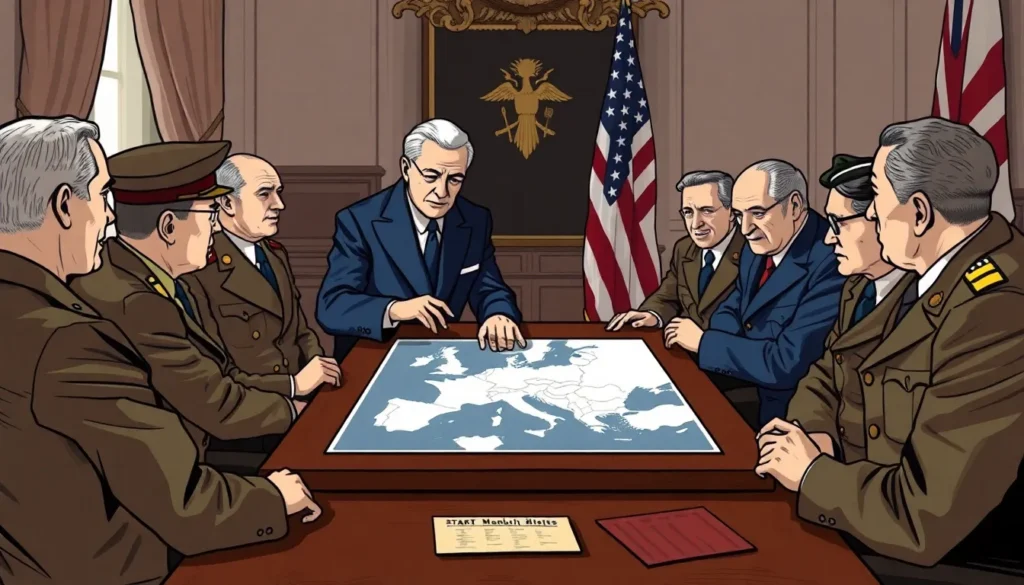
The Lend-Lease Act emerged from the unique geopolitical landscape of the early 20th century.
Pre-World War II Relations
Before World War II, the U.S. maintained a policy of isolationism. Relations with European nations had varied, as conflicts arose, yet direct involvement remained limited. Britain sought support against rising powers, particularly Germany, which threatened their security. The U.S. provided financial loans and some military supplies, but reluctance to enter conflicts persisted. The growing threat of fascism shifted perceptions, prompting a reevaluation of alliances. Nations recognized the need for cooperation against common foes, setting the stage for the Lend-Lease Act.
Impact of the Great Depression
The Great Depression profoundly affected global economic conditions, especially in Europe. Economic hardships led to increased political instability, which facilitated the rise of authoritarian regimes. Nations struggled to maintain their militaries, leading to weakened defenses against aggression. The U.S. faced its own economic challenges, but a desire for active participation in global affairs grew. As the situation worsened, policymakers acknowledged that aiding allies could stabilize economies and create markets for American goods. This mutual benefit motivated the development of the Lend-Lease Act, fostering collaboration among nations struggling to recover.
Key Provisions of the Lend-Lease Act
The Lend-Lease Act established crucial frameworks for international support during World War II. It allowed for extensive military assistance to allied nations.
Types of Aid Provided
Military goods included weapons, food, and equipment. Aircraft, tanks, and ships formed the backbone of the assistance. Additionally, the U.S. supplied medical supplies and vehicles. Countries utilized these resources until the conflict’s conclusion, further enhancing their defense capabilities. Ultimately, the U.S. aimed to support allied nations while undermining Axis power strength.
Countries Involved
Notable beneficiaries included the United Kingdom and the Soviet Union. China received significant aid to support its struggle against Japanese forces. France, Greece, and other nations also benefited from the assistance. Various countries gained immediate access to wartime materials, significantly impacting their military readiness. Such collaboration fostered stronger alliances and showcased America’s commitment to its partners during the war.
Significance of the Lend-Lease Act
The Lend-Lease Act played a vital role in reshaping international relations and facilitating wartime cooperation. Its significance extends across various dimensions.
Economic Impact on Allied Nations
Economic recovery for allied nations hinged on the Lend-Lease Act. Immediate access to military goods helped stabilize economies burdened by war efforts. The United Kingdom received vital supplies, which bolstered manufacturing and agriculture. Similarly, the Soviet Union utilized U.S. equipment to enhance its wartime production. As a result, the act contributed to rebuilding infrastructures and creating jobs within recipient countries. By supplying food and essential materials, U.S. support further stimulated economic growth. Overall, the Lend-Lease Act significantly influenced the economies of nations engaged in battle.
Political Implications
Politically, the Lend-Lease Act redefined U.S. foreign policy. Transitioning from isolationism, the act fostered deeper alliances among nations. Securing cooperation against the Axis powers became imperative, and the U.S. positioned itself as a key player in global affairs. Beneficiary nations experienced a shift in diplomatic relations, establishing lasting partnerships. The act underscored the U.S. commitment to collective security, promoting democratic ideals in opposition to fascism. These political shifts forged new alliances that endured even after the war. In sum, the Lend-Lease Act significantly altered the diplomatic landscape, influencing future international collaboration.
Criticisms and Controversies
Critics of the Lend-Lease Act raised significant concerns about its implications. Some individuals believed it transformed the U.S. into an arsenal for the Allies, involving the nation too deeply in foreign conflicts. Opposition in Congress emerged, particularly among isolationist factions. These groups feared that aiding allies undermined American neutrality and could entangle the country in overseas wars. Some critics argued that the resources spent on military aid diverted funds from pressing domestic issues like poverty and unemployment. The act not only garnered debate but also intensified divisions within the political landscape.
Consequences for neutrality became evident soon after the Lend-Lease Act’s enactment. The legislation shifted U.S. policy from isolationism to a more interventionist approach, signaling a willingness to engage in global conflicts. Countries like Germany viewed America’s support for the Allies as a direct threat, raising tensions. Critics noted that this repositioning compromised America’s stance of neutrality, limiting its ability to act as an unbiased mediator. As support for the Allies grew, the U.S. increasingly found itself drawn into the war, validating concerns that the act jeopardized national sovereignty and security, eroding the isolationist principles long upheld.
The Lend-Lease Act stands as a landmark moment in U.S. history that reshaped foreign policy and international relations. By providing crucial military aid to allies during World War II, it not only strengthened the fight against fascism but also laid the foundation for future global cooperation. The act’s economic and political ramifications extended far beyond the war, influencing post-war recovery and fostering lasting alliances. While it sparked debate over America’s role in global conflicts, its legacy endures as a testament to the importance of collaboration in times of crisis. The Lend-Lease Act truly marked a turning point in how nations interact and support one another on the world stage.