In the vast world of culinary delights, few dishes can claim the charm and intrigue of ponadiza. This delightful creation, often shrouded in mystery, has food lovers scratching their heads and reaching for their forks. Imagine a dish that’s not just a meal but an experience—a symphony of flavors that dances on the palate and leaves you craving more.
What Is Ponadiza?
Ponadiza is a traditional dish that captivates food enthusiasts with its distinctive flavors. This culinary creation boasts a blend of ingredients that harmonize perfectly, making each bite an enjoyable experience. Known for its regional variations, ponadiza adapts to local tastes while maintaining its core appeal.
Ingredients in ponadiza often include meats, vegetables, and spices, combining to deliver a robust flavor profile. Chefs frequently experiment with additional elements like herbs or sauces, enhancing the dish’s complexity. Originating from various cultures, people consider it a comfort food that evokes nostalgia and warmth.
Restaurants specializing in traditional cuisine feature ponadiza on their menus, showcasing its popularity. Diners often find themselves enticed by the presentation and aroma, which elevate the overall dining experience. Many appreciate how this dish invites sharing, making it a communal meal that fosters connection among friends and family.
Cooking methods for ponadiza vary, with some opting for slow-cooking techniques that enrich the flavors. Grilling or baking also adds a smoky essence, appealing to those who enjoy a charred texture. Each method contributes to the unique profile, ensuring there’s a version of ponadiza for every palate.
Ultimately, ponadiza represents more than just sustenance. It embodies a cultural legacy that resonates with those familiar with its roots. As a favorite among food lovers, its ever-evolving nature promises to keep diners coming back for more.
The Origin of Ponadiza
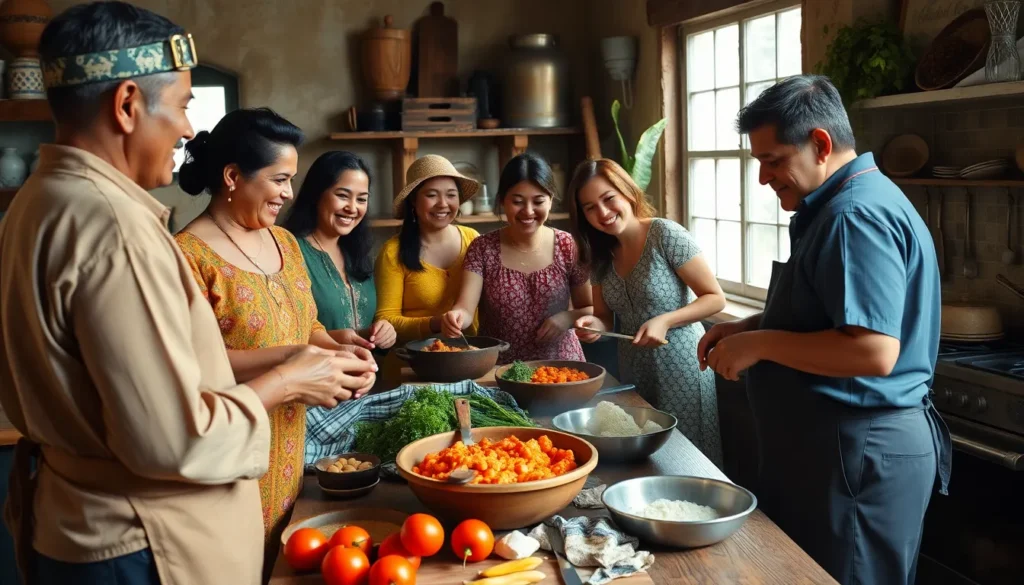
Ponadiza boasts a rich history that intertwines with the culinary traditions of its region. Rooted in ancient cooking methods, the dish reflects the agricultural practices and seasonal ingredients available to local communities.
Historical Context
Traditional recipes often date back generations, showcasing the dish’s evolution over time. Manuscripts and oral traditions highlight its importance during celebrations and gatherings. Various cultures contributed unique techniques, leading to the diverse versions audiences enjoy today. Many historians attribute regional variations to the movement of people and the sharing of culinary ideas. By understanding its historical narrative, food enthusiasts appreciate the depth of flavors and stories encapsulated in every bite of ponadiza.
Cultural Significance
Culturally, ponadiza serves as more than a meal; it symbolizes unity and togetherness. Families often gather to prepare and share the dish, strengthening bonds and creating lasting memories. In festivities, it takes center stage, representing hospitality and abundance. Chefs embrace local ingredients, emphasizing sustainable practices while connecting the community to its heritage. The dish embodies a sense of pride and identity for many, making it essential in celebrations and daily life. Through its preparation and enjoyment, ponadiza fosters a connection to the past, offering a taste of history with each serving.
How Ponadiza Is Made
Ponadiza showcases a blend of culinary practices that result in its rich flavors and hearty texture. Each preparation contributes to a unique dining experience.
Ingredients Used
Fresh ingredients form the foundation of ponadiza. Typically, chefs select high-quality meats such as chicken, beef, or pork. Seasonal vegetables like bell peppers and onions complement the dish. Spices including paprika, garlic, and black pepper add depth and warmth. Herbs such as parsley and thyme often enhance flavor profiles further. Variations exist, with local producers influencing ingredient choices, resulting in personalized interpretations of this beloved dish.
Traditional Preparation Methods
Cooking methods for ponadiza vary by region. Slow-cooking allows flavors to meld over time, creating a rich and hearty base. Grilling imparts a smoky essence, enhancing the dish’s profile. Baking provides a crispy texture on the outside, while retaining moisture within. Each technique showcases the versatility of the dish. Chefs often rely on family recipes passed down through generations, ensuring authenticity and connection to culinary heritage.
The Benefits of Ponadiza
Ponadiza offers numerous benefits, making it a sought-after dish among food enthusiasts. Its unique blend of flavors and textures provides a delightful experience.
Nutritional Value
Ponadiza features a variety of ingredients that contribute to its overall nutritional profile. High-quality meats such as chicken, beef, or pork deliver essential proteins. Seasonal vegetables, including bell peppers and onions, add vitamins and minerals. Spices like paprika and garlic offer antioxidants, enhancing its health benefits. A balanced portion of herbs, such as parsley and thyme, promotes digestion. Overall, this dish provides a range of nutrients, supporting a nutritious diet while satisfying taste buds.
Culinary Uses
Ponadiza shines in various culinary contexts, proving its versatility. It serves as a centerpiece for family gatherings, inviting sharing and connection. Many restaurants highlight this dish on their menus, showcasing creativity in presentation. Chefs adapt techniques, employing slow-cooking or grilling to intensify flavors. Home cooks can also experiment with personalized recipes, allowing flexibility in ingredients. From celebratory feasts to casual dinners, ponadiza adapts effortlessly, making it a beloved choice across cultures.
Ponadiza stands as a testament to culinary artistry and cultural heritage. Its rich flavors and adaptability make it a beloved dish that resonates with many. Whether enjoyed at family gatherings or in restaurants, it brings people together through shared experiences and memories.
This dish not only nourishes the body but also feeds the soul, embodying a sense of pride and tradition. As food enthusiasts continue to explore its depths, ponadiza will undoubtedly remain a cherished staple in kitchens and hearts alike.